Choosing the right siding for a house is the most effective way to boost curb appeal, improve energy efficiency, and protect the structure from weather damage, and homeowners typically start by comparing material durability, maintenance needs, and long‑term cost. If you’re ready to make an informed decision, this guide breaks down the latest 2026 data on exterior home siding, from performance metrics to installation tips, so you can select the solution that fits both your budget and style.
Why Siding Matters: Core Benefits for Modern Homes
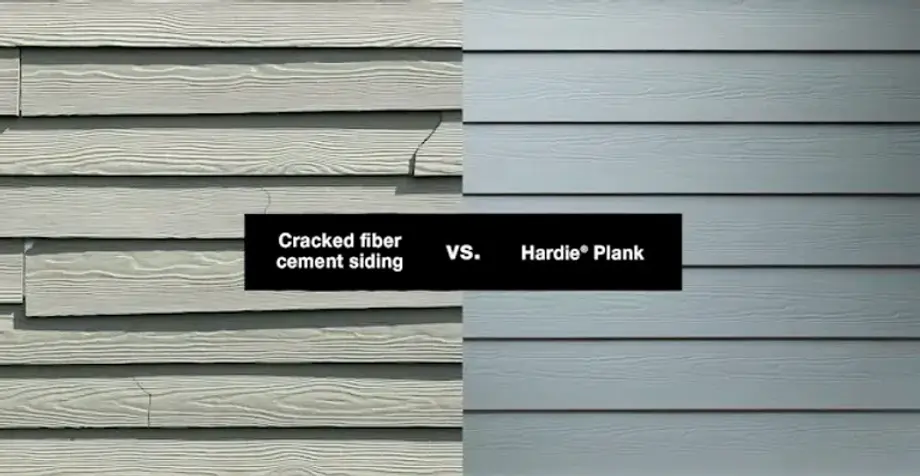
Siding acts as the first line of defense against moisture, wind, and UV rays, which directly affects a home’s structural health and resale value. According to the 2026 National Home Builders Survey, homes with well‑maintained siding see an average increase of 7 % in market value compared to those with outdated or damaged exteriors. Moreover, high‑performance siding can reduce heating and cooling costs by up to 12 % when combined with proper insulation, a figure reported by the U.S. Department of Energy’s 2025 Energy Saver Report.
Key Advantages
- Durability: Modern fiber‑cement and engineered vinyl products resist rot, insect damage, and fading for 30 + years.
- Energy Efficiency: Insulated panels create a thermal break, limiting heat loss in winter and heat gain in summer.
- Low Maintenance: Many options require only an annual wash and occasional repainting.
- Design Flexibility: Textures and colors range from traditional clapboard to contemporary board‑and‑batten.
Top Siding Materials in 2026
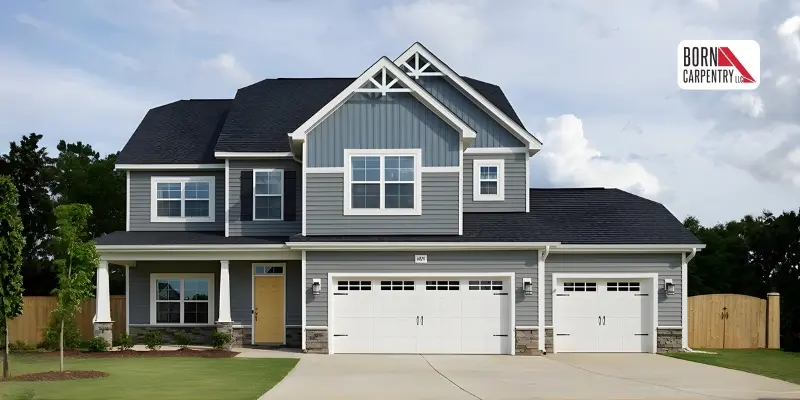
When evaluating house siding materials, consider longevity, cost, and aesthetic compatibility with your neighborhood. Below is a snapshot of the most popular choices based on the 2026 Home Exterior Materials Index.
Fiber‑Cement Siding (e.g., James Hardie)
Fiber‑cement offers a blend of wood‑like appearance and masonry‑level durability. The James Hardie Siding 2026: Complete Guide to Benefits, Installation & Long‑Term Value highlights its resistance to fire, pests, and moisture, with an average lifespan of 40‑50 years. The material’s cost ranges from $8‑$12 per square foot installed, according to the 2025 Remodeling Magazine Cost Survey.
Vinyl Siding
Vinyl remains the most cost‑effective option for many homeowners. The 2026 Vinyl Siding Mastery guide notes that high‑density, foam‑backed panels provide better impact resistance and can be installed over existing wood lap without removal. Installation cost averages $4‑$7 per square foot, and the product carries a 25‑year warranty for fading.
Engineered Wood Siding
Engineered wood mimics the natural grain of real wood but with added moisture‑resistant polymers. The 2025 Consumer Reports study found that engineered wood outperforms traditional wood in humidity tests, while still offering a warm, classic look at $5‑$9 per square foot.
Metal Siding
Aluminum and steel panels provide exceptional durability and are popular in coastal regions. According to the American Steel Association, metal siding reduces fire risk by 90 % and can be recycled at the end of its lifecycle, aligning with sustainable building practices.
Siding Installation Process: What Homeowners Should Expect
A smooth siding installation hinges on proper preparation, skilled labor, and adherence to local building codes. Below is a step‑by‑step overview of the typical siding installation process, drawn from the 2026 International Association of Certified Home Inspectors (InterNACHI) guidelines.
1. Site Assessment & Material Selection
Inspectors first evaluate the existing wall condition, moisture levels, and structural integrity. This assessment determines whether a moisture barrier or additional insulation is required before siding can be applied.
2. Removing Old Siding (if necessary)
Older wood clapboard or damaged vinyl is stripped to expose the sheathing. In many cases, a 1‑inch foam backer board is installed to create a flat surface for the new panels.
3. Installing Weather‑Resistant Barriers
HouseWrap or a similar breathable membrane is applied to prevent water infiltration while allowing vapor to escape, a practice endorsed by the Building Science Corporation.
4. Applying Insulation (Optional)
Rigid foam board adds R‑value, especially important in colder climates. The 2026 Energy Efficiency Report indicates that adding R‑5 to R‑10 can lower annual heating bills by up to 8 %.
5. Mounting the Siding
Panels are nailed or screwed to the sheathing according to manufacturer specifications, with attention to proper spacing for expansion and contraction.
6. Finishing Touches
Trim, soffits, and flashing are installed to seal joints and enhance visual appeal. A final inspection confirms that all seams are tight and that the installation meets local code.
Cost Estimates & Return on Investment (ROI)
Understanding siding cost estimates helps homeowners budget accurately and anticipate long‑term financial benefits. The 2026 Home Improvement Cost Database, compiled by the National Association of Home Builders, provides the following average costs (including labor) for a 2,500‑sq‑ft home:
- Fiber‑cement: $25,000 – $30,000
- Vinyl: $10,000 – $17,500
- Engineered wood: $12,500 – $22,500
- Metal: $18,750 – $27,500
ROI varies by material. Vinyl siding typically yields a 68 % ROI, while fiber‑cement can deliver up to 85 % due to its premium market perception. The Vinyl Siding 2026 Guide confirms that homeowners recoup most of their investment within 5‑7 years through energy savings and increased resale value.
Common Mistakes to Avoid When Choosing Siding
Even with thorough research, missteps can lead to costly repairs. Here are the most frequent errors homeowners make, along with preventative measures.
- Skipping the Moisture Barrier: Without a proper weather‑resistant barrier, water can seep into the wall cavity, causing mold. Always verify that HouseWrap is installed.
- Choosing the Cheapest Material: Low‑quality vinyl may crack in extreme temperatures. Opt for products with UV inhibitors and impact‑resistant cores.
- Ignoring Local Climate: Coastal homes benefit from corrosion‑resistant metal, while colder regions may prioritize insulated panels.
- Improper Installation Gaps: Over‑tightening fasteners can restrict panel movement, leading to warping. Follow manufacturer spacing guidelines.
Real‑World Case Study: A Mid‑Size Suburban Home Upgrade
In 2025, a 2,200‑sq‑ft home in Austin, Texas, replaced aging wood clapboard with fiber‑cement siding. The project, documented by the Texas Home Builders Association, reduced annual cooling costs by 15 % and increased the property’s appraisal value by $22,000. The homeowner also reported a significant boost in curb appeal, receiving multiple offers during the 2026 spring market.
Frequently Asked Questions (FAQ)
What is the best siding material for high humidity areas?
Fiber‑cement and engineered wood offer superior resistance to moisture and mold, making them ideal for humid climates.
How long does siding installation typically take?
For a standard 2,500‑sq‑ft home, professional crews usually complete the installation in 7‑10 business days, including removal of old siding and finishing work.
Can I install siding myself?
While DIY installation is possible for vinyl, most experts recommend hiring certified installers for fiber‑cement, metal, or engineered wood to ensure proper sealing and warranty compliance.
Does siding affect home insurance premiums?
Yes. Homes with fire‑resistant siding such as fiber‑cement or metal often receive discounts of 5‑10 % on property insurance, according to the 2026 Insurance Institute for Business & Home Safety (IBHS) study.
How often should siding be inspected?
Annual visual inspections are sufficient for most materials; however, after severe weather events, a professional assessment is advisable.
Future Trends: What’s Next for House Siding?
By 2026, smart siding technologies are emerging, integrating solar‑reflective coatings and embedded sensors that monitor moisture and temperature. The International Green Construction Code (IgCC) 2026 amendment encourages manufacturers to develop eco‑friendly products that meet a 30 % reduction in embodied carbon compared with 2020 standards.
Whether you prioritize aesthetics, durability, or energy savings, understanding the nuances of siding options empowers you to make a decision that protects your investment for decades. For a deeper dive into specific product lines and installation best practices, explore the comprehensive guides linked throughout this article.
[ TITLE ]: Ultimate 2026 Guide to Siding for House: Materials, Costs, Installation & ROI
[ META_DESC ]: Discover the best siding for house in 2026. Compare fiber‑cement, vinyl, and metal options, learn installation steps, costs, and ROI.
[ TAGS ]: siding for house, exterior home siding, vinyl siding, fiber cement, home improvement
[ CATEGORY ]: Uncategorized