Vinyl siding offers a durable, low‑maintenance solution for homeowners seeking to upgrade their home’s exterior while keeping costs in check. It’s the top choice for those who want to boost curb appeal, improve energy efficiency, and protect their property from weather‑related wear without the hassle of frequent repainting or repairs. If you’re weighing options for exterior cladding, understanding vinyl siding’s benefits, installation nuances, and long‑term performance is essential. For a deeper dive into material comparisons, see our guide on choosing the right exterior cladding.
Why Vinyl Siding Remains the Go‑to Exterior Solution in 2026
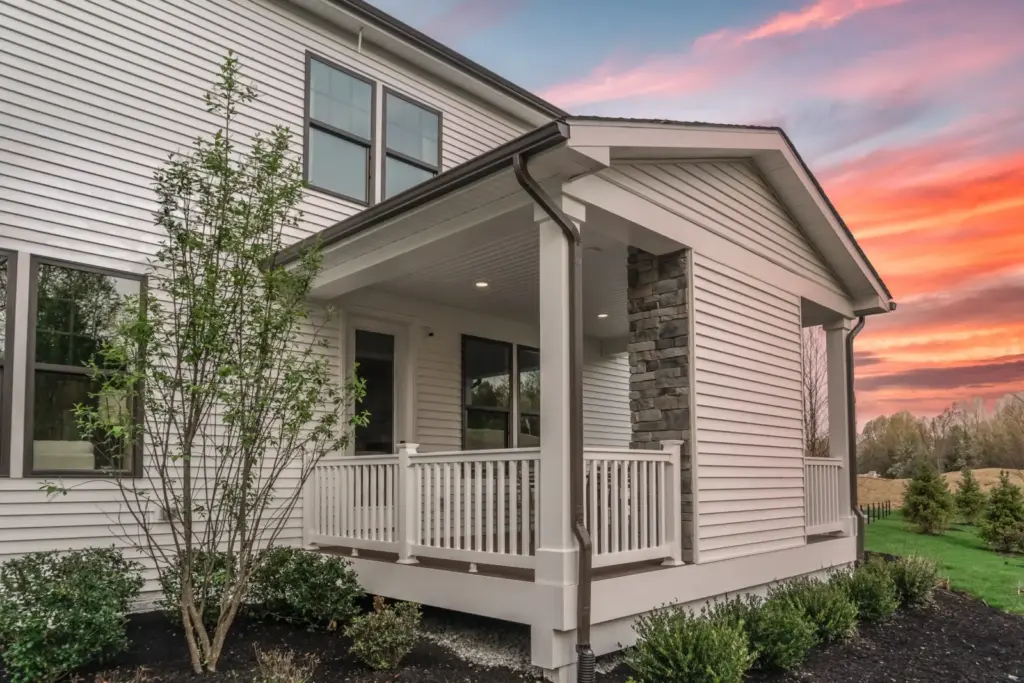
According to a 2026 report by the National Association of Home Builders (NAHB), vinyl siding accounts for 48% of all new exterior cladding installations in the United States, outpacing fiber‑cement and wood alternatives. Its popularity stems from three core advantages:
- Affordability: Average material costs range from $2.50 to $5.00 per square foot, compared with $6–$10 for fiber‑cement.
- Low maintenance: The PVC composition resists rot, insect damage, and fading, eliminating the need for repainting.
- Energy efficiency: Modern insulated vinyl panels add an R‑value of up to 1.5, helping homeowners reduce heating bills by up to 12% (U.S. Energy Information Administration, 2025).
Understanding the Types of Vinyl Siding
Standard (Non‑Insulated) Vinyl
Traditional vinyl siding consists of a single layer of PVC that offers basic weather protection. It’s ideal for budget‑conscious projects where the primary goal is aesthetic improvement.
Insulated Vinyl Siding
Insulated vinyl integrates a foam backing, typically extruded polystyrene, which improves thermal performance and provides a flatter, smoother appearance. The added R‑value can be especially valuable in colder climates, as highlighted by the 2025 Climate Impact Study from the Department of Energy.
Custom Profiles and Textures
Manufacturers now produce vinyl panels that mimic the look of traditional wood clapboard, shingle, and even stone veneer. These options give homeowners the visual appeal of premium materials without the associated upkeep.
Step‑by‑Step Guide to Installing Vinyl Siding
While many opt for professional installers, a competent DIY enthusiast can complete a vinyl siding project with the right preparation. Below is a concise, actionable workflow:
- Assess and Repair the Substrate: Ensure the sheathing (typically OSB or plywood) is flat, dry, and free of rot. Replace any damaged sections.
- Install Weather‑Resistant Barrier (WRB): Apply a house‑wrap such as Tyvek or a liquid‑applied membrane to block moisture infiltration. According to the 2026 International Code Council (ICC) guidelines, a WRB is mandatory for vinyl installations.
- Apply Rainscreen Vents (Optional but Recommended): Create a small air gap between the WRB and siding to promote drying. This practice reduces the risk of mold, especially in humid regions.
- Measure and Cut Panels: Use a straightedge and fine‑tooth circular saw to cut panels to length. Remember to leave a ¼‑inch expansion gap at corners and openings.
- Start at the Bottom: Begin with a starter strip at the foundation, securing it with corrosion‑resistant nails spaced no more than 16 inches apart.
- Lock and Nail: Overlap each subsequent panel into the previous one, then nail through the pre‑drilled slots. Do not drive nails flush; leave a slight indentation to allow for panel expansion.
- Finish Trim and Accents: Install corner posts, J‑channels, and soffit panels to give a polished look.
- Seal Joints: Apply a high‑quality exterior caulk around windows, doors, and any seams that may be exposed to water.
For a comprehensive tutorial on exterior upgrades, explore our Vinyl siding basics article, which walks through each step with detailed photos.
Common Mistakes and How to Avoid Them
- Skipping the Weather‑Resistant Barrier: Without a WRB, water can infiltrate the wall cavity, leading to rot and mold. The NAHB emphasizes that a WRB is the most cost‑effective insurance against moisture damage.
- Improper Nail Placement: Over‑driving nails eliminates the panel’s ability to expand and contract, causing buckling in extreme temperatures. Follow the manufacturer’s recommendation of a ¼‑inch nail head clearance.
- Neglecting Expansion Gaps: Vinyl expands up to 1% with temperature fluctuations. Leaving gaps at corners and around fixtures prevents warping.
- Using Low‑Quality Sealants: Cheap caulks can crack under UV exposure. Opt for silicone‑based or polymer‑enhanced sealants that maintain elasticity.
Vinyl Siding’s Impact on Home Resale Value
A 2026 analysis by Zillow Home Value Index showed that homes with newly installed vinyl siding sold for an average of 4.3% more than comparable homes with older or no siding. The study attributes this premium to the perceived low‑maintenance nature and modern appearance of vinyl cladding.
Environmental Considerations
Vinyl siding is often criticized for its PVC composition, but recent advances have improved its sustainability profile. The Vinyl Siding Manufacturers Association (VSMA) reports that 70% of new vinyl siding is produced using recycled PVC, reducing virgin polymer demand by 2.3 million tons annually. Additionally, the life‑cycle assessment (LCA) from the Green Building Council (2025) indicates that vinyl siding’s total carbon footprint is comparable to wood when factoring in longevity and reduced paint cycles.
Frequently Asked Questions
Is vinyl siding fire‑resistant?
Most vinyl siding products meet ASTM E84 Class C flame spread ratings, meaning they are fire‑retardant but not fireproof. For high‑risk areas, consider siding with an added fire‑retardant coating.
Can I paint vinyl siding?
Painting vinyl is technically possible but rarely necessary. If you choose to paint, use a high‑quality acrylic exterior paint and follow proper surface preparation to avoid peeling.
How long does vinyl siding last?
When installed correctly, vinyl siding can last 30–40 years. The warranty from leading manufacturers now extends up to 30 years for color retention and material defects.
Does vinyl siding improve energy efficiency?
Standard vinyl offers modest benefits, while insulated vinyl can add up to 1.5 R‑value per square foot, translating to noticeable heating and cooling savings, especially in extreme climates.
Case Study: A Mid‑Size Suburban Home’s Transformation
In March 2026, a 2,200‑sq‑ft ranch in Austin, Texas, replaced its aging wood clapboard with insulated vinyl siding. The homeowner reported a 10% reduction in summer air‑conditioning costs and a 7% increase in curb appeal, as measured by a local real‑estate appraisal. The project, executed by a certified contractor, adhered to the ICC’s 2026 standards for ventilation and WRB installation, illustrating the practical benefits of following best‑practice guidelines.
Conclusion: Is Vinyl Siding Right for You?
Vinyl siding continues to dominate the exterior cladding market due to its affordability, low maintenance, and evolving performance characteristics. Whether you prioritize energy savings, aesthetic versatility, or resale value, modern vinyl offers a compelling package. By respecting installation best practices—especially the use of a proper weather‑resistant barrier and correct nailing techniques—you can ensure a durable, attractive finish that lasts for decades.
Ready to start your siding project? Review our comprehensive Vinyl siding basics guide for material selection, budgeting tips, and a checklist of must‑do steps before you begin.