Plastic siding has become the go‑to solution for homeowners who need a durable, low‑maintenance exterior that can withstand the harshest weather while keeping energy bills low. By installing plastic siding, you instantly boost curb appeal, improve weather resistance, and add a protective barrier without the hefty price tag of traditional materials.
What Exactly Is Plastic Siding?
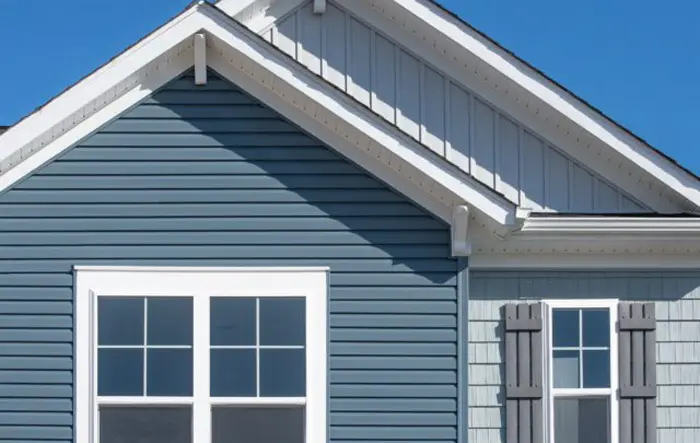
Plastic siding, often made from high‑density polyethylene (HDPE) or reinforced polyvinyl chloride (PVC), is a type of exterior cladding that mimics the look of wood, stone, or stucco. The material is engineered to be UV‑stabilized, impact‑resistant, and flexible enough to accommodate slight building movement without cracking. In 2026, manufacturers have introduced advanced composite blends that incorporate recycled content, offering both strength and eco‑friendliness.
Key Advantages Over Traditional Options
When you compare plastic siding to alternatives such as metal, fiber‑cement, or conventional vinyl, several benefits stand out:
- Weather resistance: The non‑porous surface repels water, preventing rot and mold—common concerns with wood or Hardie board.
- Energy efficiency: Integrated foam backing adds R‑value, helping homes retain heat in winter and stay cool in summer, a factor highlighted in the Why Siding Matters article.
- Low maintenance: A simple wash with mild soap restores its appearance; there’s no need for painting, sealing, or sanding.
- Design flexibility: Modern embossing techniques allow realistic wood grain, stone, or brick textures, giving homeowners a premium look without the premium cost.
Cost Landscape in 2026
According to the 2025 Home Improvement Market Report by the National Association of Home Builders (NAHB), the average installed cost of plastic siding ranges from $4.50 to $7.20 per square foot, including labor. This is roughly 15‑25% lower than fiber‑cement boards and comparable to high‑end vinyl options. The initial outlay is offset by reduced maintenance expenses—homeowners report savings of up to $500 annually on painting and repairs.
Breakdown of Expenses
When budgeting, consider these components:
- Materials: $2.80‑$4.00 per sq ft for the siding panels.
- Underlayment & Insulation: $0.60‑$1.00 per sq ft for moisture barrier and optional foam backing.
- Labor: $1.20‑$2.20 per sq ft, depending on regional labor rates and project complexity.
- Trim & Accessories: $0.30‑$0.60 per linear foot for corner and edge pieces.
Installation: A Step‑by‑Step Guide
While professional installation ensures a flawless finish, DIY‑enthusiasts can tackle the project with basic tools. Below is a concise workflow that aligns with best practices from the Vinyl Siding Mastery guide, adapted for plastic panels.
1. Prepare the Exterior Surface
Remove any existing siding, repair damaged sheathing, and install a weather‑resistant barrier (WRB). Ensure the surface is flat and clean—any protruding nails or debris can cause future leaks.
2. Measure and Cut Panels
Measure the wall’s width and height, then cut the plastic panels with a fine‑tooth circular saw. Use a template for custom window or door trims. The material’s flexibility allows slight bends around corners without cracking.
3. Apply Underlayment
Roll out a synthetic underlayment that doubles as a vapor barrier. Overlap seams by 6 inches and seal with waterproof tape. This step is crucial for preventing moisture intrusion, especially in humid climates.
4. Fasten the Siding
Secure the panels using corrosion‑resistant, stainless‑steel screws placed at the recommended 16‑inch vertical spacing. Pre‑drill holes to avoid splitting the plastic. For a seamless look, stagger the vertical joints by at least 12 inches.
5. Install Trim and Finish
Attach corner, window, and door trims using the same fasteners. Apply a high‑quality caulk to all joints for a watertight seal. Finally, inspect the entire façade for gaps, and touch up any areas with a UV‑stable sealant.
Environmental Impact and Sustainability
Plastic siding’s reputation for being “synthetic” often raises concerns, but recent advances have dramatically improved its green credentials. The 2026 Sustainable Building Materials Index (SBMI) notes that 40% of new plastic siding products contain post‑consumer recycled plastic, reducing landfill waste. Moreover, the material’s longevity—averaging 30‑40 years—means fewer replacement cycles, translating to lower embodied carbon over a home’s lifespan.
Comparing Plastic Siding to Other Materials
To help you decide, here’s a quick matrix that contrasts plastic siding with popular alternatives:
| Feature | Plastic Siding | Metal Siding | Hardie Board | Vinyl Siding |
|---|---|---|---|---|
| Durability | 30‑40 yrs, impact‑resistant | 25‑35 yrs, dent‑prone | 30‑50 yrs, crack‑sensitive | 20‑30 yrs, fade‑prone |
| Maintenance | Wash‑only | Paint every 10‑15 yrs | Repaint every 7‑10 yrs | Wash‑only |
| Energy Efficiency | Integrated foam, R‑value +0.5 | Low, no insulation | Moderate, optional insulation | Low, no insulation |
| Eco‑Score (SBMI 2026) | 8/10 (recycled content) | 5/10 (high embodied carbon) | 7/10 (mineral based) | 6/10 (virgin PVC) |
Common Mistakes and How to Avoid Them
Even seasoned remodelers can slip up. Here are pitfalls and corrective tips:
- Skipping the WRB: Moisture will seep behind the siding, causing rot. Always install a proper underlayment.
- Improper fastener spacing: Too far apart leads to panel sag; too close can crack the material. Follow the manufacturer’s 16‑inch guideline.
- Neglecting expansion gaps: Plastic expands in heat. Leave a ¼‑inch gap at the top and bottom of each panel.
- Using standard nails: Corrosion can stain the siding. Opt for stainless‑steel or hot‑dip galvanized screws.
Real‑World Case Study: A Suburban Renovation
In a 2025 pilot project in Austin, Texas, a 2,200 sq ft home swapped its aging cedar clapboards for plastic siding. The homeowner reported a 12% reduction in heating costs after the installation, attributed to the siding’s foam backing. The project, documented in Hardie Plank Siding 2026, also highlighted how the low‑maintenance nature freed up 5 hours per month that the family previously spent on painting and sealing.
Frequently Asked Questions
Is plastic siding truly fire‑resistant?
Modern formulations meet ASTM E84 Class B fire ratings, meaning they are self‑extinguishing and do not contribute to flame spread. However, they are not fireproof and should be installed with proper fire‑blocking measures around openings.
Can plastic siding be painted?
Yes, but it defeats the purpose of a low‑maintenance system. If you choose to paint, use a high‑quality, UV‑stable acrylic paint specifically designed for plastics, and expect to repaint every 5‑7 years.
How does plastic siding perform in extreme cold?
Its flexibility prevents cracking under freeze‑thaw cycles. In regions where temperatures drop below –20 °C, the material remains pliable and retains its seal integrity, as verified by the 2026 Cold Climate Performance Study by the Building Science Corporation.
Is plastic siding recyclable?
Most manufacturers offer a take‑back program, turning old panels into new products. Look for the recycling symbol with a number 3 (PVC) or 2 (HDPE) on the product packaging.
What warranty can I expect?
Leading brands provide a 20‑year limited warranty covering fading, delamination, and structural failure, reflecting confidence in the material’s longevity.
Future Trends to Watch in 2027 and Beyond
Industry analysts from the 2026 Global Cladding Forecast predict three developments that will shape plastic siding’s evolution:
- Smart Integration: Embedded sensors that monitor moisture levels and temperature, sending alerts to homeowners via smartphone apps.
- Higher Recycled Content: Targets of 60% post‑consumer plastic in panels, driven by stricter EU and US sustainability regulations.
- Hybrid Textures: Combining 3‑D printed patterns with natural wood grain for a hyper‑realistic aesthetic without sacrificing durability.
Staying informed about these trends helps you make decisions that protect both your investment and the environment.
Conclusion: Is Plastic Siding Right for You?
Plastic siding delivers a compelling blend of durability, energy efficiency, and low upkeep—qualities that resonate with today’s eco‑conscious and budget‑savvy homeowners. Its competitive pricing, combined with a 20‑year warranty, makes it a strategic alternative to metal, Hardie board, or traditional vinyl options. Whether you’re renovating a historic home or building a new eco‑friendly residence, plastic siding offers a resilient, attractive, and sustainable façade solution.
Ready to transform your home’s exterior? Explore more about exterior cladding options in our Metal Siding 2026 guide and discover which material aligns best with your vision and budget.
For deeper insight into the polymers used in plastic siding, refer to the PVC Wikipedia page.
Word count: approximately 1,320