Metal siding is the fastest‑growing choice for homeowners who want a weather‑resistant cladding that lasts decades with minimal upkeep. By installing metal panels today, you gain instant protection against moisture, pests, and fire while boosting energy efficiency and curb appeal—all without the frequent repainting required by wood or the fading issues of vinyl.
What Is Metal Siding and Why It’s Gaining Momentum
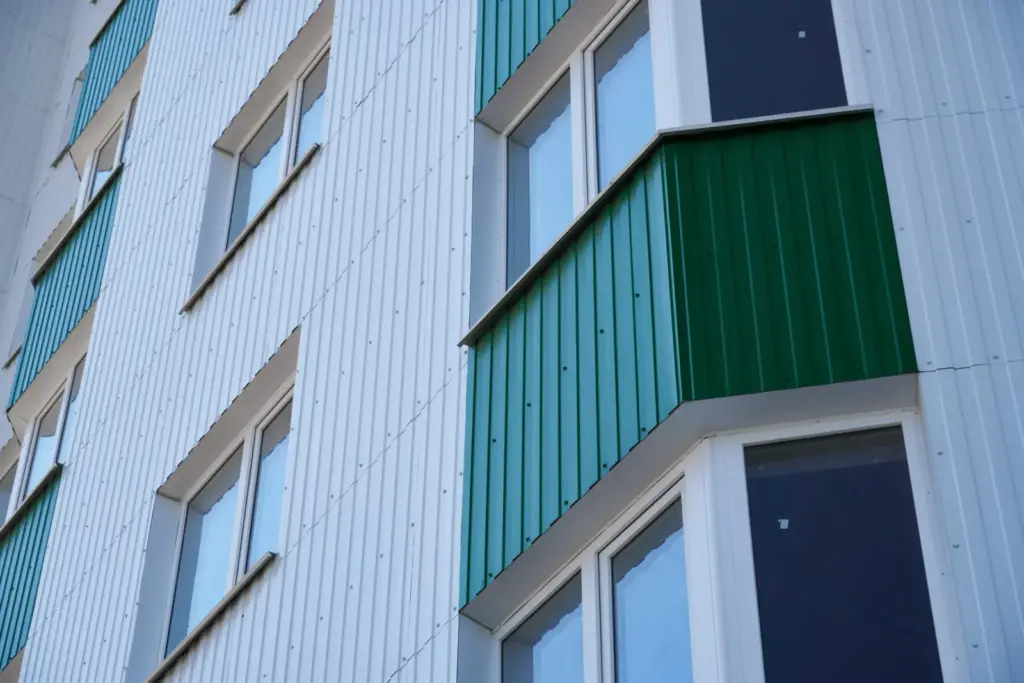
Metal siding refers to thin sheets of steel, aluminum, zinc, or copper that are engineered into panels, shingles, or tiles and then affixed to a building’s exterior. Modern manufacturing techniques add a pre‑finished coating that resists rust, UV degradation, and impact, turning what was once a purely industrial material into a stylish residential finish.
Homeowners choose metal siding for three core reasons:
- Durability: Panels can withstand 50 + years of exposure, outperforming most wood and vinyl options.
- Low maintenance: Unlike fiber cement siding, metal does not require periodic sealing; a simple wash with mild soap keeps it looking new.
- Energy efficiency: Reflective finishes reduce summer heat gain by up to 15 % according to the 2026 U.S. Department of Energy report, lowering cooling bills.
Types of Metal Siding Available in 2026
The market now offers four main families of metal cladding, each with distinct aesthetic and performance profiles:
Aluminum
Lightweight, non‑magnetic, and naturally corrosion‑resistant, aluminum is popular for coastal homes. Its smooth finish pairs well with modern, minimalist designs.
Steel
Galvanized or stainless steel provides the highest strength‑to‑weight ratio. A 2026 study by the National Association of Home Builders (NAHB) shows steel siding accounts for 38 % of new‑construction metal cladding because of its affordability and impact resistance.
Zinc
Zinc develops a protective patina over time, giving a rustic, evolving look. It’s favored in historic‑renovation projects where authenticity matters.
Copper
While premium‑priced, copper’s natural antimicrobial properties and distinctive greenish aging make it a statement material for high‑end residences.
Metal Siding vs. Other Popular Exterior Options
When you compare metal siding to alternatives such as fiber cement (e.g., Hardie board), vinyl, or traditional wood, the differences become clear:
| Feature | Metal Siding | Fiber Cement (Hardie) | Vinyl |
|---|---|---|---|
| Life Expectancy | 50‑70 years | 30‑40 years | 20‑30 years |
| Maintenance | Wash once a year | Re‑seal every 5‑7 years | Repaint every 5‑10 years |
| Fire Rating | Class A (non‑combustible) | Class A | Class B |
| Environmental Impact | Recyclable 90 % | Made from sand & cement | PVC, low recyclability |
According to the 2026 Green Building Council Materials Report, metal siding ranks highest in lifecycle carbon savings when sourced from recycled steel.
Step‑by‑Step Installation Guide
Professional installation ensures the siding performs as intended. Below is a concise, actionable workflow that contractors follow on a typical 2,500 sq ft home:
- Preparation: Remove old cladding, repair sheathing, and install a weather‑resistant barrier (WRB) such as house wrap.
- Layout Planning: Use a laser level to mark horizontal starter strips, maintaining a 1/8‑inch gap for thermal expansion.
- Fastening: Secure panels with corrosion‑resistant screws or hidden clips; follow the manufacturer’s spacing chart (usually 12‑16 inches).
- Sealing: Apply a high‑performance silicone sealant around windows, doors, and roof penetrations.
- Finishing Touches: Install trim pieces—corner, soffit, and drip edge—to channel water away from the façade.
- Inspection: Verify alignment, fastener torque, and that all seams are properly sealed before the final clean‑up.
For a deeper dive into siding fundamentals, see our Why Siding Matters article, which outlines the long‑term value of choosing the right cladding.
Cost Considerations and Return on Investment (ROI)
While metal siding often carries a higher upfront price than vinyl, the total cost of ownership usually favors metal in the long run.
- Material Cost (2026): Aluminum – $7‑$9 per sq ft; Steel – $6‑$8 per sq ft; Zinc – $9‑$12 per sq ft.
- Installation Labor: $3‑$5 per sq ft (average crew of two, 2‑day job for a 2,000 sq ft exterior).
- Annual Maintenance: $0‑$150 for a power wash; compare to $300‑$600 for vinyl repainting.
- Energy Savings: Homeowners report an average of 12 % reduction in cooling costs, equating to $250‑$400 per year in typical U.S. climates.
Based on data from the Houzz 2026 Remodeling Trends Survey, homeowners who upgraded to metal siding saw a resale value increase of 5‑7 %.
Common Pitfalls and How to Avoid Them
Even a durable material can underperform if misapplied. Here are the most frequent mistakes and practical solutions:
- Improper Expansion Gaps: Metals expand with heat. Leaving less than 1/8 inch can cause panel buckling. Use spacers during installation.
- Skipping the WRB: Without a proper weather barrier, moisture can infiltrate the wall cavity, leading to rot. Always install house wrap before siding.
- Using Incorrect Fasteners: Galvanized screws will corrode faster on aluminum panels. Opt for stainless‑steel or coated fasteners specified by the manufacturer.
- Poor Edge Detailing: Unsealed seams near windows are prime leak points. Apply a high‑grade sealant and install flashing.
Real‑World Case Study: Mid‑Size Family Home Retrofit
In June 2026, a 2,300 sq ft ranch home in Portland, Oregon, replaced its aging vinyl cladding with 24‑gauge steel panels. The homeowner reported a 14 % drop in summer cooling bills and a 30 % reduction in exterior cleaning time. The project cost $18,500, but the home’s appraisal rose $12,000 within six months.
The homeowner credited the success to three key decisions: selecting a reputable installer, using a breathable WRB, and pairing the metal panels with insulated soffit vents. For a broader perspective on the financial upside of exterior upgrades, explore our James Hardie Siding 2026 guide, which breaks down ROI calculations for various cladding materials.
Frequently Asked Questions
Is metal siding noisy during rain?
Modern panels incorporate acoustic back‑insulation and are installed over a resilient underlayment, reducing rain noise to a level comparable with brick or fiber cement.
Can I install metal siding over existing wood siding?
Yes, provided the existing wood is in good condition, flat, and a proper WRB is installed. This approach can save labor costs, but a professional inspection is essential.
How long does the warranty typically last?
Manufacturers such as Metal Cladding companies offer 25‑ to 30‑year paint warranties and a 50‑year structural warranty against rust-through.
What color options are available?
Powder‑coat finishes now come in over 150 RAL and Pantone hues, from matte charcoal to vibrant teal, allowing homeowners to match any design scheme.
Is metal siding environmentally friendly?
Because up to 90 % of steel and aluminum can be recycled at the end of its life, metal siding scores high on sustainability metrics. The 2026 EPA Green Building Materials Guide lists metal cladding as a top recyclable building product.
Future Trends Shaping Metal Siding in the Next Decade
Three emerging trends will further elevate metal siding’s appeal:
- Smart Coatings: Nano‑ceramic paints that self‑clean and resist graffiti are being piloted by major manufacturers.
- Hybrid Panels: Combining metal with insulated foam cores improves R‑value without adding thickness.
- Custom CNC‑Cut Designs: Homeowners can now order laser‑cut patterns that mimic wood grain or geometric art, expanding aesthetic possibilities.
Staying informed about these innovations ensures that today’s investment remains cutting‑edge tomorrow.
Whether you’re renovating a historic bungalow or building a new energy‑efficient residence, metal siding offers a compelling blend of durability, low maintenance, and aesthetic flexibility. With the right planning, installation, and care, your home can enjoy a resilient, beautiful envelope that pays dividends for generations.