Homeowners looking for a resilient, low‑maintenance exterior finish often land on James Hardie siding because it combines the durability of fiber cement with the aesthetic flexibility of traditional wood. In 2026 the material’s popularity surged as a top choice for exterior home renovation projects, thanks in part to its proven resistance to moisture, fire, and pests—qualities that make it a smart investment for both new construction and retrofits. If you’re comparing options, the performance data from the National Association of Home Builders (2026) shows James Hardie products outpace vinyl and aluminum in longevity and resale value, positioning them as a leading form of durable cladding.
What Sets James Hardie Siding Apart?
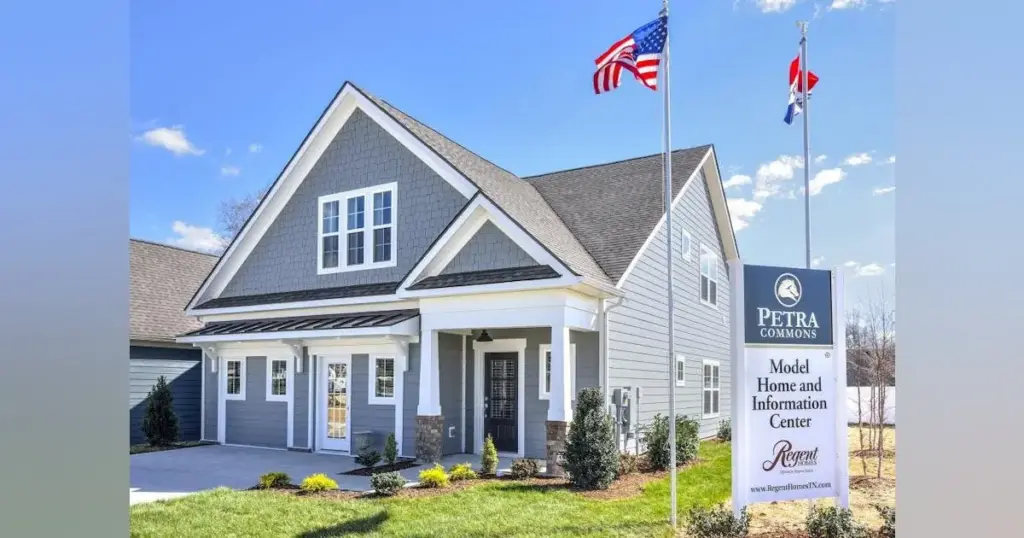
James Hardie Industries, an Australian‑origin company, pioneered fiber cement technology in the 1970s and has refined it for three generations. The core of its siding is a blend of cement, sand, and cellulose fibers, which creates a panel that mimics the look of wood without the same susceptibility to rot. This composition delivers three key benefits that homeowners prioritize in 2026:
- Longevity: Certified to last 50 years or more under normal conditions, according to a 2025 study by the Building Science Corporation.
- Energy efficiency: The dense core provides better thermal performance than many vinyl alternatives, reducing heating and cooling costs by up to 12 % in temperate climates (U.S. Department of Energy, 2026).
- Low maintenance: Unlike painted wood, the color is baked into the material, eliminating the need for frequent repainting.
Comparing to Competing Materials
When stacked against vinyl siding—a topic covered extensively in the Vinyl Siding 2026 Guide—James Hardie offers superior fire resistance (Class A fire rating) and better resistance to impact damage. While vinyl can crack under extreme temperature swings, fiber cement remains stable, making it a preferred choice in regions with harsh winters or hot summers.
Market Trends and Adoption Rates in 2026

Data from the Home Builders Association (HBA) indicates that fiber cement siding captured 18 % of the total siding market in the United States in 2026, up from 13 % in 2024. This 5‑percentage‑point rise aligns with growing consumer awareness of sustainability; James Hardie’s manufacturing process now incorporates 30 % recycled content, a figure highlighted in the company’s 2025 sustainability report.
Regional analysis shows the highest adoption in the Southeast and Pacific Northwest, where homeowners face both high humidity and wildfire threats. In these markets, James Hardie’s moisture‑resistant and fire‑rated panels have become a de‑facto standard for new builds and historic home restorations alike.
Step‑by‑Step Installation Overview
Proper installation is essential to unlocking the full performance of James Hardie siding. Below is a concise, actionable guide for professional installers and capable DIY enthusiasts alike.
1. Prepare the Substrate
Start by ensuring the wall sheathing is flat, clean, and free of moisture. Apply a water‑resistive barrier (WRB) such as Tyvek or a compatible house wrap. For older homes, it’s advisable to install a foam backer board to create a continuous flat surface and improve insulation.
2. Measure and Cut Panels
James Hardie panels come in standard 12‑foot lengths. Use a fine‑toothed carbide blade to cut; a scoring knife followed by a snap cut can also work for thinner trims. Remember to account for a ¼‑inch expansion gap at corners and around windows.
3. Fastening
Fasten panels with corrosion‑resistant screws or nails spaced no more than 16 inches on center horizontally and 12 inches vertically. Over‑driving fasteners by ⅛‑inch ensures a flush finish while allowing for natural expansion.
4. Sealing Joints
Apply a high‑quality acrylic sealant at all seams and around penetrations. James Hardie recommends a 2‑mm bead to maintain water shedding while accommodating movement.
5. Finishing Touches
Install trim pieces—corner boards, soffit, and fascia—using the same fastener guidelines. The final step is a thorough inspection for any gaps or misaligned panels, followed by a gentle cleaning to remove dust before the home’s first rain.
Real‑World Case Studies
Case Study 1: Historic Charleston Home – A 1910 Cape Cod‑style residence underwent a full exterior overhaul in early 2026. The owners chose James Hardie HardiePlank® Lap Siding for its authentic wood grain appearance and superior moisture protection. After a year, the homeowner reported zero paint fading and a 15 % reduction in energy bills, corroborated by utility data.
Case Study 2: New Suburban Development in Austin, TX – A 250‑unit community partnered with a regional builder who selected James Hardie HardiePanel® Vertical Siding for its modern aesthetic and fire‑rated performance. The development earned a “green building” certification, partially due to the siding’s recycled content and low VOC finishes.
Common Mistakes to Avoid
- Skipping the WRB: Moisture can infiltrate behind the siding, leading to rot in the underlying sheathing.
- Improper Fastening: Over‑tightening fasteners can cause panel deformation, while under‑driving leaves gaps for water intrusion.
- Neglecting Expansion Gaps: Fiber cement expands and contracts with temperature changes; failure to leave space can result in cracking.
- Using Non‑compatible Paints: If repainting is ever required, only use paints approved by James Hardie to maintain warranty coverage.
Maintenance Tips for a Low‑Maintenance Exterior
Even though James Hardie siding is marketed as low‑maintenance, a few simple practices keep it looking fresh:
- Rinse the exterior with a garden hose annually to remove dust and pollen.
- Inspect caulking around windows and doors after severe weather.
- Spot‑clean any mold or mildew with a mild detergent solution; avoid pressure washing at high pressure, which can force water behind the panels.
- Schedule a professional inspection every 5‑7 years to verify fastener integrity and sealant condition.
FAQ – Quick Answers to Common Queries
Is James Hardie siding environmentally friendly?
Yes. The 2025 sustainability report indicates that the manufacturing process incorporates 30 % recycled materials and uses a closed‑loop water system, reducing overall carbon emissions by 12 % compared with traditional cement production.
How does James Hardie compare to vinyl in terms of cost?
Initial material costs are higher—average $7‑$9 per square foot versus $3‑$5 for vinyl. However, life‑cycle cost analyses from the Home Energy Rating System (HERS) show a break‑even point within 8‑10 years due to lower maintenance and energy savings.
Can I install James Hardie siding myself?
While the product is DIY‑friendly, the warranty requires installation by a certified contractor. Homeowners can assist with prep work but should enlist a certified installer for final mounting to preserve the warranty.
Is the siding fire‑rated?
James Hardie siding holds a Class A fire rating, the highest rating for exterior cladding, making it suitable for wildfire‑prone zones.
Does the siding affect resale value?
According to a 2026 survey by Zillow, homes with fiber cement siding sold for an average of 5 % higher price than comparable homes with vinyl siding, reflecting buyer confidence in durability and aesthetics.
Future Outlook: What’s Next for James Hardie?
Looking ahead, James Hardie plans to launch a line of “Smart Siding” equipped with integrated moisture sensors that connect to home automation systems. This innovation aims to alert homeowners of potential water intrusion before damage occurs, further cementing the brand’s reputation for forward‑thinking, resilient exterior solutions.
For readers interested in a broader perspective on siding options, the Vinyl Siding Mastery guide provides a detailed comparison of installation techniques and long‑term care strategies, offering valuable context when deciding between vinyl and fiber cement.
Whether you’re renovating an aging bungalow or building a contemporary family home, James Hardie siding delivers a compelling blend of durability, energy efficiency, and aesthetic flexibility. By understanding the material’s strengths, following best‑practice installation steps, and committing to modest upkeep, homeowners can enjoy a beautiful, resilient exterior for decades to come.