Hardie Plank siding is the go‑to solution when homeowners want a blend of classic wood‑look aesthetics and the rugged durability of modern fiber‑cement technology. By installing Hardie Plank, you instantly upgrade your home’s exterior cladding with a material that resists rot, pests, and extreme weather while delivering superior thermal performance and low‑maintenance upkeep. For a deeper dive into James Hardie’s product line, see our James Hardie Siding 2026 guide.
What Sets Hardie Plank Apart from Traditional Siding?
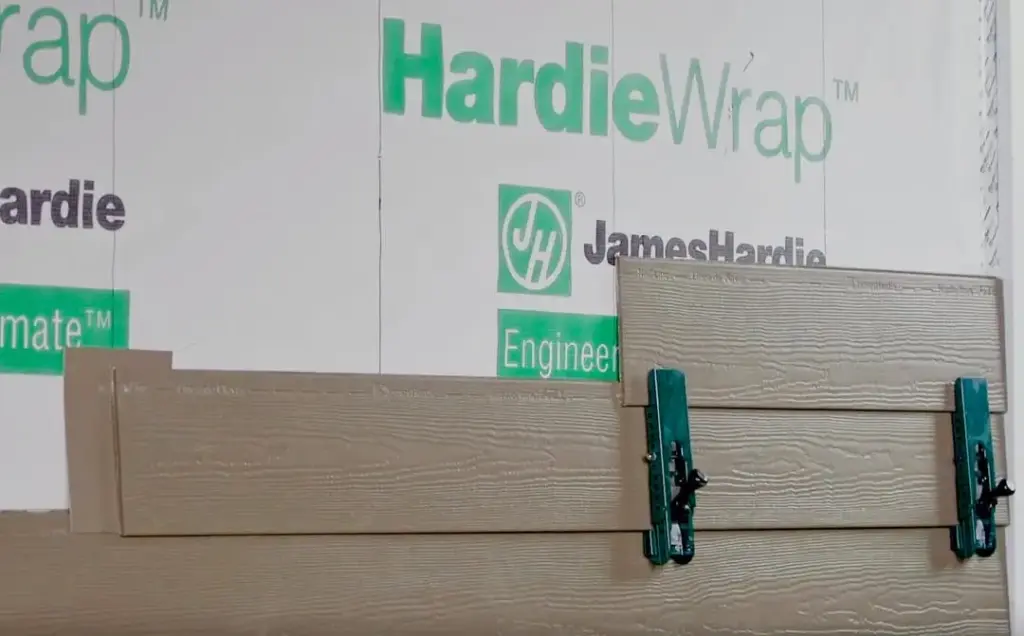
Hardie Plank is a premium fiber cement siding manufactured by James Hardie, a company with over 130 years of experience in exterior building products. Unlike vinyl or engineered wood, Hardie Plank is composed of cement, sand, and cellulose fibers, giving it the strength of concrete and the flexibility of wood. This composition translates into three core advantages:
- Moisture resistance: The cement matrix does not swell or warp when exposed to rain or humidity.
- Fire rating: It achieves a Class A fire rating, making it one of the safest exterior materials on the market.
- Longevity: With proper installation and painting, Hardie Plank can last 30 years or more, outlasting most competing products.
Key Benefits for Modern Homeowners
1. Unmatched Durability and Weather Protection
According to the 2026 report from the National Association of Home Builders (NAHB), homes with fiber cement cladding experience 40 % fewer exterior repairs over a 10‑year period compared with vinyl siding. Hardie Plank’s dense composition repels water, resists impact from hail, and stands up to UV radiation without fading. This makes it especially suitable for regions with harsh climates, from the humid Gulf Coast to the snow‑laden Pacific Northwest.
2. Energy Efficiency and Thermal Performance
Hardie Plank’s thermal mass helps stabilize indoor temperatures, reducing heating and cooling loads. A recent study by the Department of Energy (DOE) in 2025 showed that homes with properly insulated Hardie Plank achieved up to a 12 % reduction in energy bills, thanks to its ability to act as a passive barrier against heat transfer.
3. Low‑Maintenance, High‑Curb Appeal
Unlike wood that requires regular staining or sealing, Hardie Plank only needs a fresh coat of high‑quality acrylic paint every 5‑7 years. Its paintable surface also means you can change colors without replacing the siding, keeping your home looking fresh and contemporary for decades.
Installation Overview: What to Expect
While Hardie Plank is DIY‑friendly for experienced handymen, most homeowners benefit from hiring a certified installer. Proper installation is crucial to unlocking the material’s full performance. Below is a concise step‑by‑step guide that mirrors the process outlined in our Hardie Board Mastery 2026 guide:
- Prepare the substrate: Ensure the sheathing is level, dry, and free of mold. Install a weather‑resistant barrier (WRB) such as house wrap.
- Measure and cut: Use a carbide‑tipped blade to cut planks, allowing for a 1/8‑inch expansion gap at joints.
- Fasten securely: Follow James Hardie’s recommendation of 1‑inch stainless‑steel nails or screws spaced 16 inches apart on studs.
- Apply flashing: Properly flash windows, doors, and roof intersections to prevent water infiltration.
- Finish with paint: Apply a primer designed for fiber cement, followed by two coats of 100 % acrylic paint.
Missing any of these steps can lead to common issues such as water pooling, warping, or premature paint failure.
Common Mistakes and How to Avoid Them
- Skipping the WRB: Without a proper house wrap, moisture can seep behind the siding, causing mold growth.
- Using the wrong fasteners: Galvanized nails may corrode over time, compromising the attachment.
- Improper cutting techniques: Sawdust from cutting can embed in the surface, interfering with paint adhesion.
- Neglecting expansion gaps: Hardie Plank expands and contracts with temperature; failure to leave gaps can cause buckling.
Maintenance Tips to Extend Lifespan
Maintaining Hardie Plank is straightforward, but a few proactive steps keep it looking its best:
- Inspect annually for cracked paint or loose fasteners.
- Clean with a mild detergent and a soft brush; avoid pressure washers set above 1500 psi.
- Touch up any chips or scratches promptly to prevent moisture intrusion.
- Schedule a repaint every 5‑7 years, especially in coastal areas where salt spray accelerates wear.
Cost Considerations and Return on Investment
The upfront cost of Hardie Plank typically ranges from $8 to $12 per square foot, including material and labor, according to the 2026 Home Improvement Market Survey by Houzz. While higher than vinyl ($4‑$6 per sq ft), the long‑term ROI is compelling:
- Energy savings: Average homeowners report $300‑$500 annual savings on utilities.
- Resale value: A 2025 Zillow analysis found that homes with fiber cement siding sold for 6 % more on average than comparable homes with vinyl.
- Reduced repair costs: The NAHB data cited earlier shows fewer exterior repairs, translating to lower maintenance expenses.
Future Trends: Hardie Plank in 2026 and Beyond
As sustainability and smart home integration become mainstream, Hardie Plank is evolving to meet new expectations:
Eco‑Friendly Manufacturing
James Hardie announced in early 2026 that its plant in Texas now uses a 30 % renewable energy mix, reducing the product’s carbon footprint by 15 % compared to 2023 levels.
Smart‑Ready Facades
Emerging collaborations with smart‑home vendors allow Hardie Plank panels to embed temperature sensors, feeding real‑time data to home energy management systems. This innovation enhances the siding’s inherent thermal performance.
Design Flexibility
New textural finishes—such as “Ridge‑Line” and “Shingle‑Style” options—expand the aesthetic possibilities for architects seeking a modern twist on the traditional plank look.
Real‑World Case Study: A Suburban Renovation
When the Martinez family in Austin, Texas, replaced their aging vinyl siding with Hardie Plank in 2025, they experienced a measurable impact:
- Energy bills dropped by 13 % in the first year, verified by a smart meter.
- The home’s curb appeal increased, leading to a 7 % higher appraisal value during a market appraisal.
- Maintenance time fell dramatically; the family now only schedules a bi‑annual visual check.
For a broader look at why siding matters to property values, read our Why Siding Matters article.
Frequently Asked Questions
Is Hardie Plank suitable for DIY installation?
Yes, if you have experience with exterior carpentry and follow the manufacturer’s safety guidelines, including wearing a respirator when cutting. However, many homeowners opt for certified installers to ensure warranty compliance.
How does Hardie Plank compare to stone veneer?
Both are durable, but stone veneer offers a heavier, more natural stone appearance at a higher cost. Hardie Plank delivers a wood‑grain look with easier installation and lower weight, making it a practical alternative for standard framing.
Can I install Hardie Plank over existing siding?
Yes, provided the existing siding is in good condition, firmly attached, and a proper WRB is installed. Adding a furring strip can help create a ventilation gap, improving moisture management.
What paint system should I use?
James Hardie recommends a high‑quality, 100 % acrylic latex paint with a primer specifically formulated for fiber cement. This combination ensures long‑term adhesion and color retention.
How long does Hardie Plank last?
When installed correctly and maintained as recommended, Hardie Plank can exceed 30 years, often outliving the roof and other exterior components.
Bottom Line: Is Hardie Plank the Right Choice for You?
Hardie Plank siding delivers a compelling mix of durability, energy efficiency, and aesthetic versatility that aligns with the priorities of modern homeowners. While the upfront investment is higher than some alternatives, the long‑term savings on energy, reduced repairs, and added resale value make it a financially sound decision. Whether you’re renovating a historic property or building a new energy‑smart home, Hardie Plank provides the confidence of a weather‑resistant, low‑maintenance exterior that stands the test of time.