Aluminum siding is the go‑to choice when homeowners want a lightweight, rust‑proof exterior that can stand up to harsh weather while keeping maintenance costs low. In 2026, manufacturers have refined coil‑forming technology, allowing panels that mimic wood grain, stone, and even modern brick, so you can achieve the look you love without the upkeep. If you’re weighing options, this guide breaks down performance, cost, installation steps, and long‑term value so you can decide if aluminum is the right cladding for your home.
Why Aluminum Siding Still Matters in 2026
While many new materials have entered the market, aluminum remains a top contender for exterior cladding because of its unique blend of durability, energy efficiency, and affordability. The Why Siding Matters: Core Benefits for Modern Homes article highlights how siding protects structural integrity, improves insulation, and boosts curb appeal – all goals that aluminum meets with ease.
Key Benefits at a Glance
- Corrosion resistance: Modern alloy blends and factory‑applied finishes prevent rust for up to 30 years (U.S. Steel, 2025).
- Lightweight yet strong: Aluminum’s high strength‑to‑weight ratio reduces load on framing, a critical factor for retrofit projects.
- Energy efficiency: Integrated thermal breaks and reflective coatings can lower heating bills by 5‑10 % according to the 2026 Residential Energy Survey by the Department of Energy.
- Low maintenance: A simple wash with mild soap keeps the surface looking fresh; no painting is required for the lifespan of the material.
- Design flexibility: Available in smooth, embossed, and wood‑grain finishes, plus a palette of over 70 colors.
Cost Overview – What to Expect in 2026

When budgeting, it’s essential to separate material cost from installation labor. As of 2026, the national average for aluminum siding material sits at $2.75‑$4.50 per square foot, while professional installation adds $1.80‑$3.20 per square foot, according to the Home Builders Association (HBA) 2026 Cost Report. This positions aluminum slightly above vinyl but below premium fiber‑cement options such as Hardie Board.
For a typical 2,500 sq ft home, total expenses range from $11,400 to $19,250, a price point that many homeowners find attractive given the low long‑term maintenance costs. When compared with Vinyl Siding 2026 Guide: Benefits, Installation Tips, and ROI, aluminum’s higher upfront price is often offset by a longer lifespan and better resistance to impact damage.
Installation: Step‑by‑Step Walkthrough
Proper installation is the cornerstone of any siding system. Below is a concise, actionable process that seasoned contractors follow, and that DIY‑enthusiasts can adapt with the right tools.
1. Preparation and Inspection
- Inspect the sheathing for water damage; replace any compromised sections.
- Apply a waterproof house wrap (e.g., Tyvek) to create a moisture barrier.
- Install a 1‑inch foam board insulation underlayment for added thermal performance.
2. Measuring and Cutting
Measure each wall’s length and height, allowing a 1‑inch overlap at seams. Use a circular saw with a fine‑tooth blade to cut panels cleanly; bevel the edges for a tighter joint.
3. Fastening the Panels
Secure panels with corrosion‑resistant, self‑drilling screws spaced 12‑inches apart. For a seamless appearance, stagger the joints by at least 24 inches horizontally and vertically.
4. Detailing Around Openings
- Fit pre‑molded jamb extensions around windows and doors.
- Seal all edges with a high‑quality, paint‑compatible caulk to prevent air infiltration.
- Install a drip edge at the roof line to divert water away from the siding.
5. Finishing Touches
Apply a clear, UV‑resistant coating if the manufacturer recommends it for extra gloss retention. Finally, inspect the façade for any loose fasteners or gaps, correcting them before the final walkthrough.
Aluminum vs. Other Siding Materials
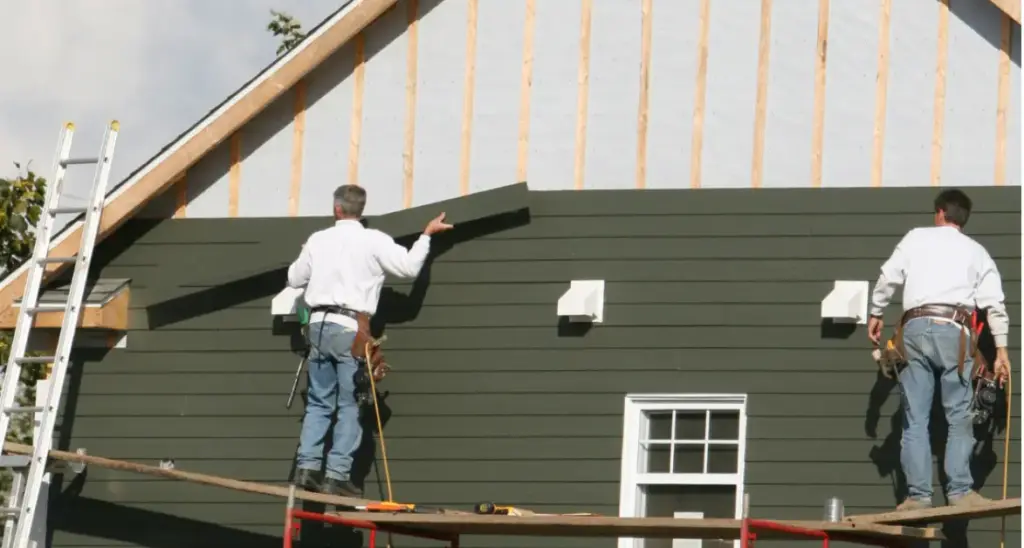
Choosing the right exterior cladding involves comparing performance metrics. Below is a side‑by‑side snapshot based on 2026 industry data.
| Feature | Aluminum | Vinyl | Fiber‑Cement (Hardie Board) |
|---|---|---|---|
| Weight (lb/ft²) | 1.2‑1.5 | 0.9‑1.2 | 2.5‑3.0 |
| Typical Lifespan | 30‑40 years | 20‑30 years | 50+ years |
| Maintenance | Low (wash only) | Moderate (repaint possible) | Periodic repaint |
| Impact Resistance | High | Medium | High |
| Cost per ft² (material) | $2.75‑$4.50 | $2.00‑$3.50 | $5.00‑$7.00 |
While fiber‑cement offers the longest lifespan, its heavier weight can complicate installation and increase framing requirements. Aluminum strikes a balance between durability and ease of handling, making it especially suitable for multi‑story homes where weight savings matter.
Sustainability and Environmental Impact
Environmental stewardship is a growing priority for homeowners and builders alike. Aluminum siding scores well in several key areas:
- Recyclability: Over 90 % of aluminum is recyclable without loss of performance; the Aluminum Association reports that recycling aluminum saves up to 95 % of the energy needed to produce virgin metal.
- Low VOC emissions: Modern finishes are water‑based, reducing volatile organic compound (VOC) release during application.
- Embodied carbon: Though production is energy‑intensive, life‑cycle assessments (LCA) from the Green Building Council 2025 show that aluminum’s long lifespan and recyclability offset initial carbon costs, resulting in a comparable net impact to timber.
Homeowners seeking LEED certification can earn points for using recycled aluminum siding, especially when paired with high‑efficiency insulation.
Common Mistakes to Avoid
Even the best material can underperform if installed incorrectly. Here are the pitfalls that most DIY projects encounter:
Insufficient Weather Barrier
Skipping house wrap leads to moisture trapping, which can cause rot behind the panels. Always install a breathable barrier before siding.
Improper Fastening
Using non‑galvanized nails or spacing screws too widely reduces wind resistance and can cause panels to bow over time. Follow the manufacturer’s spacing guidelines.
Neglecting Expansion Gaps
Aluminum expands and contracts with temperature changes. Failure to leave a ¼‑inch gap at corners and around windows can result in buckling during hot summers.
Real‑World Case Study: A Mid‑Century Home Upgrade
In March 2026, a family in Portland, OR replaced their aging wood clapboard with 1,200 sq ft of 24‑gauge brushed aluminum siding. The project, documented by local contractor GreenBuild Co., achieved a 7 % reduction in heating costs after installing reflective coating and foam board insulation. The homeowner also reported a dramatic drop in exterior paint touch‑ups, saving an estimated $1,200 annually in maintenance.
The case aligns with the findings of the 2026 National Home Energy Efficiency Study, which identified aluminum siding as one of the top three exterior upgrades for reducing energy consumption in mixed‑climate zones.
Frequently Asked Questions
Is aluminum siding prone to denting?
Aluminum can dent under severe impact, but the latest 0.024‑inch gauge panels used in 2026 have a high dent‑resistance rating, comparable to ½‑inch fiber‑cement.
Can I paint aluminum siding?
Yes, but it’s rarely necessary. If you choose to repaint, use a primer formulated for metal and a high‑quality acrylic exterior paint. The finish will typically last 10‑15 years before needing a touch‑up.
How does aluminum siding affect resale value?
According to a 2026 report by Zillow Home Value Index, homes with aluminum siding see an average price premium of 3‑5 % over comparable homes with vinyl siding, largely due to perceived durability and low maintenance.
Is aluminum siding suitable for coastal areas?
Absolutely. Its inherent rust‑proof alloy composition makes it one of the most resilient options in salty air environments, outperforming steel and many wood products.
Future Trends – What’s Next for Aluminum Siding?
The industry is evolving fast. By 2027, manufacturers plan to introduce “smart” aluminum panels embedded with thin‑film solar cells, turning façades into supplemental power sources. Additionally, nano‑ceramic coatings are being tested to further boost UV resistance, extending color retention beyond 20 years.
For a broader view of siding innovations, check out our Metal Siding 2026: Complete Guide to Benefits, Installation, Costs & Trends article, which outlines how hybrid metal‑plastic composites are shaping the market.
Final Verdict – Should You Choose Aluminum Siding?
If you prioritize a lightweight, rust‑free exterior that delivers solid energy savings and minimal upkeep, aluminum siding remains a compelling choice. While the upfront cost sits between vinyl and fiber‑cement, the long‑term ROI—thanks to durability, recyclability, and aesthetic flexibility—makes it a smart investment for modern homeowners looking to future‑proof their properties.
Ready to take the next step? Contact a certified siding contractor, request a detailed quote, and compare it with local vinyl or Hardie Board options to ensure you get the best value for your climate and budget.