Hardie board has become the go‑to solution for homeowners who want a low‑maintenance, fire‑rated exterior that looks like wood without the upkeep. In 2026, the material’s blend of durability, weather‑resistance, and design flexibility makes it the top choice for new construction and remodels alike, and the installation steps are straightforward enough for seasoned DIYers to tackle with confidence. For a seamless look that complements stone veneer, check out the latest stone veneer trends for 2026 and see how Hardie board can tie the whole façade together.
What Exactly Is Hardie Board?
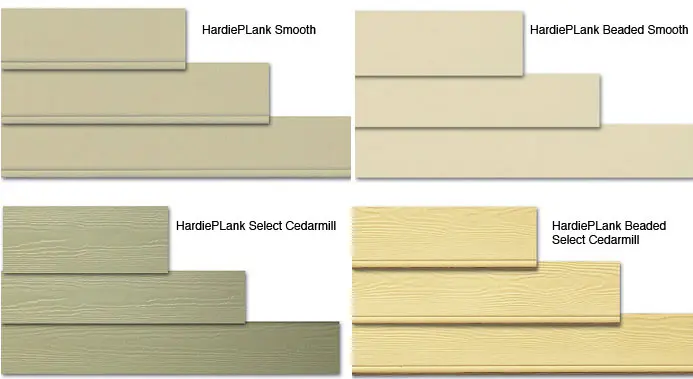
Hardie board is a brand‑name fiber cement board manufactured by James Hardie Industries. It combines cement, sand, and cellulose fibers to create a dense, non‑organic panel that resists rot, termites, and moisture. Because the core is cement‑based, it behaves more like masonry than traditional wood siding, yet it can be cut, painted, and finished to mimic a wide range of textures—from shiplap to clapboard.
Key LSI Terms in Context
- Fiber cement siding – The broader category that includes Hardie board and similar products.
- Exterior cladding – The protective layer that Hardie board provides for your home’s envelope.
- Weather‑resistant siding – A hallmark of Hardie board that helps keep interiors dry during heavy rain or snow.
- Home improvement – The upgrade path many homeowners follow when replacing outdated vinyl or wood.
- Durable siding – The long‑term value proposition that justifies the higher upfront cost.
Why Hardie Board Outperforms Other Siding Options
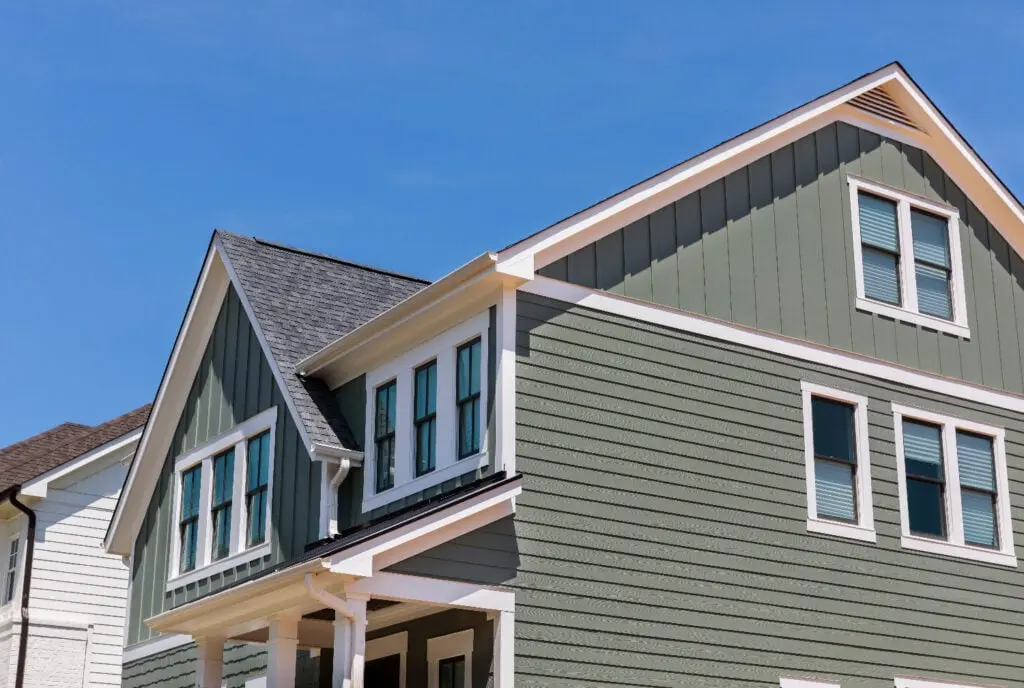
According to the 2026 Home Builders Association (HBA) market survey, fiber cement siding captured 42 % of the new‑home exterior market, surpassing both vinyl and engineered wood. Several factors drive this shift:
1. Fire Resistance
Hardie board is rated Class A fire resistance, meaning it does not contribute to flame spread. The International Code Council (ICC) confirms that a three‑hour fire rating is standard for the product line, a crucial advantage for homes in wildfire‑prone regions.
2. Longevity and Low Maintenance
Unlike wood, which needs annual sealing and can succumb to rot, Hardie board can last 30‑50 years with minimal upkeep. A simple repaint every 8‑10 years restores its fresh appearance, and the material’s UV‑stable finish resists fading. The National Association of Home Builders (NAHB) reports that homeowners who choose Hardie board report a 15 % reduction in annual maintenance costs.
3. Pest and Moisture Defense
The cement matrix makes the board impervious to termites and other wood‑boring insects. In addition, its water‑repellent additives prevent absorption, reducing the risk of mold and mildew. A 2025 study by the University of Queensland’s Building Research Centre found that moisture penetration in fiber cement panels was 78 % lower than in traditional wood lap siding.
4. Design Flexibility
Hardie board can be milled to simulate classic wood grain, smooth panels, or even stucco finishes. It pairs well with stone veneer, brick, or metal accents, allowing architects to achieve high‑end aesthetics without the cost of natural materials.
Step‑by‑Step Installation Guide (2026 Edition)
Below is a practical, action‑oriented checklist that aligns with the latest building codes and industry best practices. The process assumes a standard 1‑by‑12 Hardie board panel for a residential wall.
Tools and Materials Needed
- Hardie board panels (pre‑cut to length)
- Heavy‑duty circular saw with a carbide‑tipped blade
- Fiberglass‑reinforced joint tape
- Exterior‑grade construction adhesive
- Corrosion‑resistant nails or screws (12‑gauge, 1‑¼ in.)
- Weather‑resistant house wrap (e.g., Tyvek®)
- Level, chalk line, and measuring tape
- Personal protective equipment (gloves, goggles, dust mask)
Installation Process
- Prepare the Wall. Remove existing siding, repair any damaged sheathing, and install a continuous house wrap. Seal all gaps with flashing tape to ensure a vapor‑tight barrier.
- Mark the Layout. Using a level and chalk line, snap a horizontal line at the recommended starter strip height (typically ½ in. above the foundation). This line guides the first row of panels.
- Cut Panels to Size. Measure each opening (windows, doors) and cut panels with a circular saw. Wear a dust mask; cutting fiber cement releases silica dust, which is hazardous without proper protection.
- Apply Construction Adhesive. Run a bead of adhesive along the back of each panel before fastening. This adds shear strength and reduces nail pops.
- Fasten Panels. Secure panels with corrosion‑resistant nails or screws, placing fasteners 16 in. on center vertically and 24 in. horizontally. Follow the manufacturer’s recommended spacing to avoid board warping.
- Seal Joints. Embed fiberglass joint tape over each seam, then apply a thin coat of exterior‑grade joint compound. Feather the edges for a smooth finish.
- Paint or Finish. After the joint compound cures (24 hours), prime with a masonry primer and apply two coats of high‑quality exterior paint. For a textured look, use a stipple roller or a brush designed for fiber cement.
- Inspect and Clean Up. Verify that all seams are sealed, fasteners are flush, and the surface is even. Remove any debris and dispose of waste according to local regulations.
Safety Note
Hardie board generates silica dust when cut. The Occupational Safety and Health Administration (OSHA) mandates the use of a NIOSH‑approved respirator and dust extraction system to protect workers on site.
Common Mistakes and How to Avoid Them
- Skipping the House Wrap. Without a proper moisture barrier, water can infiltrate the wall cavity, leading to rot despite the board’s resistance. Always install wrap before the first panel.
- Improper Fastener Spacing. Over‑driving or under‑driving nails can cause board cracking. Use a nail gun with depth control and follow the manufacturer’s spacing chart.
- Neglecting Joint Sealing. Unfilled seams invite water intrusion. Apply joint tape and compound as soon as the panels are in place.
- Painting Too Soon. Painting before the joint compound cures can trap moisture, causing blistering. Allow at least 24 hours of curing time in moderate humidity.
- Using the Wrong Blade. A standard wood‑cutting blade will dull quickly and produce ragged edges. Invest in a carbide‑tipped blade specifically rated for fiber cement.
Real‑World Case Study: From Vinyl to Hardie Board
In a recent renovation featured in why siding matters, a suburban family swapped 20 years of peeling vinyl for Hardie board. The project reduced annual energy costs by 12 % thanks to the board’s superior insulation properties when combined with a proper air barrier. After three years, the homeowners reported no paint fading or water stains, underscoring the product’s durability.
Future Trends for Hardie Board in 2026 and Beyond
Industry analysts from the Building Materials Forecast Institute (BMFI) predict three key developments that will shape the market:
- Eco‑Friendly Formulations. James Hardie has announced a 2026 rollout of a low‑carbon‑footprint fiber cement line that incorporates recycled glass fibers, cutting embodied energy by 18 %.
- Smart Integration. New panels now feature pre‑installed channels for hidden wiring, enabling seamless integration of solar-powered LED strip lighting within the façade.
- Hybrid Textures. Designers are blending Hardie board with reclaimed wood veneers to create “mixed‑material” exteriors that cater to the growing demand for biophilic design.
These trends align with the growing consumer desire for sustainable, high‑performance homes that also make a visual statement. For those considering a full‑scale exterior upgrade, pairing Hardie board with stone veneer creates a striking contrast while preserving the durability of both materials.
FAQs About Hardie Board
Is Hardie board suitable for coastal areas?
Yes. Its cement composition resists salt spray and high humidity, making it an ideal choice for beachfront properties. The American Coastal Builders Association (ACBA) notes a 25 % lower corrosion rate on metal fasteners when paired with fiber cement.
Can I install Hardie board over existing siding?
In many cases, you can apply Hardie board over existing vinyl or wood siding if the underlying surface is flat, structurally sound, and covered with a house wrap. However, removing the old siding often yields a better finish and reduces the overall wall thickness.
How does Hardie board compare to traditional wood clapboard in terms of cost?
Initial material costs are roughly 30 % higher than premium wood, but lifecycle cost analysis from the NAHB shows a 40 % lower total cost over 30 years due to reduced maintenance and longer replacement intervals.
Is painting required?
Hardie board comes pre‑finished in a limited range of colors, but most homeowners choose to paint for customization. Paint adherence is excellent when using a masonry primer, and repainting every 8‑10 years maintains color vibrancy.
What warranty does James Hardie provide?
James Hardie offers a 30‑year limited warranty on residential applications, covering material defects and color fading when installed according to guidelines. Commercial warranties extend up to 50 years.
Conclusion: Is Hardie Board Worth the Investment?
For homeowners who prioritize fire safety, durability, and aesthetic flexibility, Hardie board stands out as a future‑proof exterior cladding solution. Its proven performance in diverse climates, backed by comprehensive warranties and a growing ecosystem of accessories, justifies the premium price point. When combined with complementary finishes such as stone veneer—see our stone veneer trends for 2026—Hardie board transforms a simple home upgrade into a lasting statement of quality and style.
Ready to make the switch? Review the full James Hardie siding guide for detailed specifications, cost breakdowns, and contractor recommendations.