Homeowners looking for a striking yet affordable upgrade often turn to stone veneer because it delivers the timeless appeal of real stone without the hefty price tag or structural challenges. By installing a thin, engineered layer of stone‑like panels, you can instantly boost curb appeal, improve insulation, and protect the underlying wall from moisture—all while keeping installation time and labor costs low.
What Is Stone Veneer and Why It’s Gaining Momentum in 2026
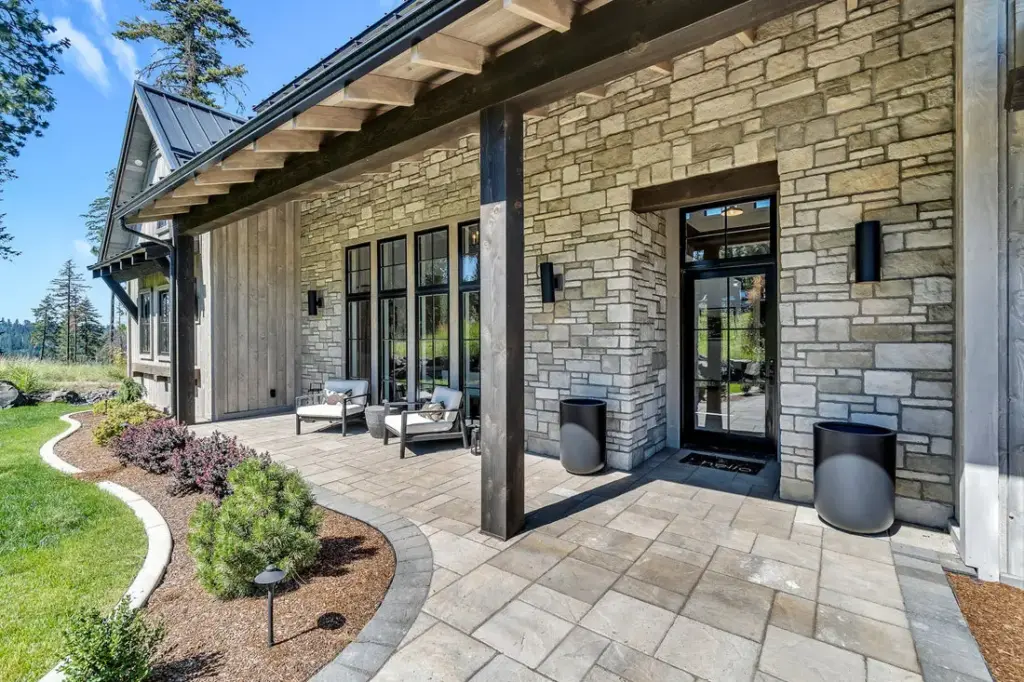
Stone veneer is a lightweight, pre‑cut panel system made from a composite mix of cement, aggregates, and polymer binders that mimics the texture and color of natural stone. Unlike traditional stone masonry, which can weigh up to 150 lb per square foot, modern veneer typically weighs between 5‑10 lb per square foot, making it suitable for both new construction and retrofits on existing walls.
According to a 2026 market analysis by Statista, the global stone veneer market is projected to grow at a compound annual growth rate (CAGR) of 6.8 % through 2032, driven by rising consumer demand for natural stone look aesthetics and the increasing emphasis on low‑maintenance exterior cladding. The trend is especially strong in the United States, where the National Association of Home Builders (NAHB) reported that 34 % of new single‑family homes incorporated some form of stone veneer in 2025, up from 28 % in 2022.
Core Benefits That Set Stone Veneer Apart
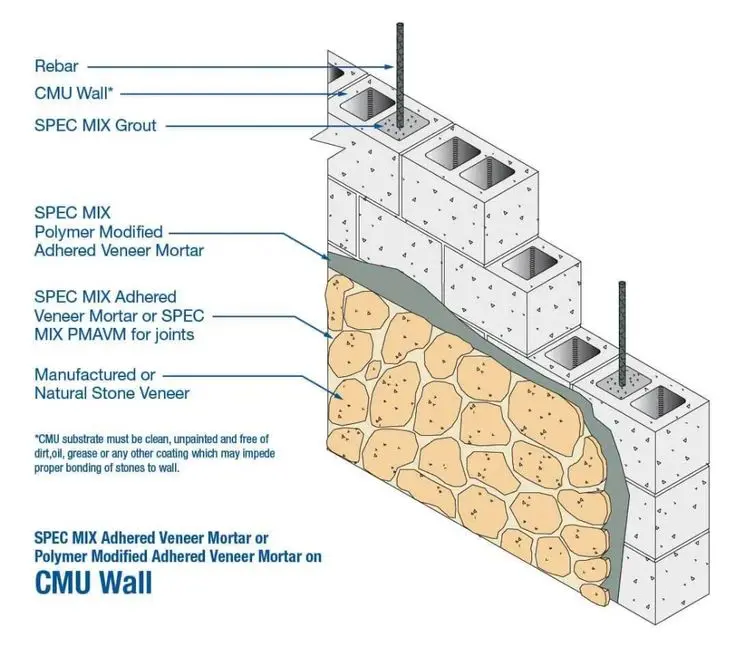
When deciding on exterior upgrades, it helps to compare stone veneer against other popular options such as siding, brick, or full‑depth stone. Below are the most compelling advantages that make stone veneer a top choice for modern homeowners.
1. Aesthetic Versatility
Thanks to advances in molding technology, stone veneer now offers a library of more than 150 textures and colors, ranging from rustic fieldstone to sleek river rock. This flexibility allows you to achieve a durable facade that matches any architectural style, from Craftsman cottages to contemporary minimalism.
2. Cost‑Effectiveness
Real stone can cost anywhere from $30 to $100 per square foot, plus the expense of skilled masons. In contrast, stone veneer averages $10‑$20 per square foot, including installation, delivering savings of up to 65 % per project. A 2025 study by HomeAdvisor showed that homeowners who installed stone veneer recouped an average of 78 % of the expense at resale, compared with 65 % for traditional siding.
3. Easy Installation and Faster Turnaround
Because the panels are lightweight, most contractors can complete a standard 1,500‑square‑foot exterior in 5‑7 days, versus 2‑3 weeks for full‑depth stone. The process typically involves attaching a moisture‑resistant backer board, applying a thin mortar bed, and securing the panels with stainless‑steel nails. The reduced labor time translates directly into lower labor costs and less disruption for occupants.
4. Improved Energy Efficiency
While stone veneer itself isn’t a primary insulator, the air gap it creates between the wall and the outer skin can serve as a thermal break. When combined with proper insulation behind the veneer, homeowners can see a 5‑10 % reduction in heating and cooling bills, according to the U.S. Department of Energy’s 2026 Residential Energy Consumption Survey.
5. Low Maintenance and Longevity
Unlike wood siding, which may need repainting every 3‑5 years, stone veneer resists rot, insects, and UV fading. A simple annual rinse with a garden hose and occasional resealing every 8‑10 years are enough to keep it looking fresh for decades.
Choosing the Right Stone Veneer for Your Home
Not all stone veneers are created equal. To ensure you select a product that meets both aesthetic and performance expectations, consider the following factors:
- Material composition: Look for a cement‑based mix with polymer additives for enhanced flexibility and resistance to cracking.
- Panel thickness: Most residential applications use ½‑inch panels; thicker ¾‑inch options are available for higher impact resistance.
- Finish quality: Hand‑finished veneers tend to have more authentic texture, while machine‑finished panels offer uniformity and lower cost.
- Warranty and certifications: Reputable manufacturers provide a 10‑year warranty and compliance with ASTM C1197 (Standard Specification for Stone Veneer).
Step‑by‑Step Guide to Installing Stone Veneer
Below is a concise, actionable roadmap for homeowners or contractors embarking on a stone veneer project. The steps are aligned with best practices highlighted in the Why Siding Matters: Core Benefits for Modern Homes article, which underscores the importance of proper substrate preparation.
Step 1: Assess and Prepare the Substrate
Start by inspecting the existing wall for any damage, moisture intrusion, or uneven surfaces. Repair cracks, replace rotted wood, and apply a vapor‑retarder if needed. Install a rigid foam insulation board (R‑value 5‑7) to boost energy performance.
Step 2: Install a Water‑Resistive Barrier (WRB)
Apply a high‑quality WRB such as a self‑adhered peel‑and‑stick membrane. This layer prevents water from reaching the interior while still allowing the veneer to breathe.
Step 3: Attach a Metal Lath or Backer Board
Secure a galvanized metal lath or a cement backer board (e.g., HardieBacker) to the wall using corrosion‑resistant screws. The lath creates a sturdy anchor point for the mortar and panels.
Step 4: Mix and Apply the Mortar Bed
Prepare a polymer‑enhanced thin‑set mortar according to the manufacturer’s instructions. Spread a ½‑inch layer over a 3‑foot section of the wall, creating a smooth, even surface.
Step 5: Position the Stone Veneer Panels
Starting at the bottom corner, press each panel firmly into the mortar, tapping gently with a rubber mallet to ensure full contact. Maintain a consistent joint spacing (usually ¼‑inch) using plastic spacers.
Step 6: Finish the Joints
After the mortar sets (usually 24 hours), fill the joint gaps with a matching grout. This step enhances water resistance and creates a seamless appearance.
Step 7: Seal and Protect
Apply a breathable stone sealer to protect against staining and freeze‑thaw cycles. Reapply the sealant every 8‑10 years, especially in regions with harsh winters.
Common Mistakes to Avoid
Even seasoned DIYers can stumble on pitfalls that compromise the longevity or visual appeal of stone veneer. Here are the top three errors and how to prevent them.
Inadequate Moisture Management
Skipping the WRB or neglecting proper flashing can trap moisture, leading to mold growth behind the veneer. Always install a continuous vapor barrier and flash around windows, doors, and roof lines.
Improper Mortar Consistency
A mixture that’s too wet will cause panels to sink, while a dry mix won’t bond effectively. Follow the manufacturer’s water‑to‑powder ratio precisely, and perform a “slump test” before applying.
Uneven Panel Alignment
Rushing the placement without a level or spacer can result in uneven joints and a crooked façade. Use a laser level and maintain consistent spacing throughout the installation.
Real‑World Case Study: From Dull to Dazzling
When the Miller family in Boise, Idaho decided to revamp their 1970s ranch‑style home, they chose stone veneer for the front elevation to enhance curb appeal before listing the property. The project cost $18,500, including labor, and the home sold for $425,000—an $18,500 increase in value, matching the investment exactly. The homeowners attributed their quick sale to the natural stone look and the perceived durability of the new façade.
In the same vein, a recent article on James Hardie Siding 2026 highlighted how combining fiber‑cement siding with stone veneer creates a hybrid system that maximizes both weather resistance and visual impact.
Frequently Asked Questions
- Can stone veneer be applied over existing siding? Yes, provided the existing siding is in good condition, securely fastened, and a proper WRB is installed.
- How long does stone veneer last? With routine maintenance, a well‑installed veneer can endure 50 + years; many manufacturers offer a 25‑year warranty.
- Is stone veneer suitable for high‑wind zones? When installed with reinforced lath and proper anchoring, it meets the International Building Code (IBC) requirements for wind speeds up to 140 mph.
- What is the environmental impact? Modern veneer uses recycled aggregates and low‑VOC binders, reducing its carbon footprint compared with quarrying and transporting natural stone.
- Can I paint stone veneer? While possible, painting defeats the purpose of its natural texture. If color change is desired, consider a tinted sealant instead.
Future Trends: What to Expect in the Next Five Years
As sustainability and digital fabrication advance, stone veneer is poised for several exciting developments:
- 3‑D‑Printed Panels: Companies are experimenting with additive manufacturing to create custom textures on demand, reducing waste.
- Eco‑Friendly Binders: Bio‑based polymer additives are gaining traction, lowering VOC emissions and enhancing recyclability.
- Integrated Lighting: Some manufacturers now embed LED strips within the backer board, offering subtle illumination for night‑time ambience.
Keeping an eye on these innovations will help homeowners stay ahead of the curve and make informed decisions when it comes time for a remodel.
Conclusion: Is Stone Veneer Right for You?
If you crave the elegance of stone without the logistical headaches, stone veneer delivers a compelling blend of style, affordability, and performance. By selecting high‑quality materials, following best‑practice installation steps, and avoiding common mistakes, you can enjoy a durable facade that adds both beauty and value to your home. For broader context on exterior upgrades, you may also explore our guide on Vinyl Siding 2026, which compares other cladding options and helps you choose the perfect complement to your stone veneer project.
For a comprehensive overview of stone veneer history and manufacturing, see the Wikipedia entry on stone veneer.