Homeowners turn to gutter leaf guards when they want a set‑and‑forget solution that stops clogs, protects the roof, and saves time on routine gutter maintenance. By installing a reliable leaf guard system, you eliminate the seasonal scramble of climbing ladders to scoop out debris, reduce water‑damage risk, and keep your property’s exterior looking sharp—all without compromising the flow of rainwater through the downspouts.
What Is a Gutter Leaf Guard and How Does It Work?
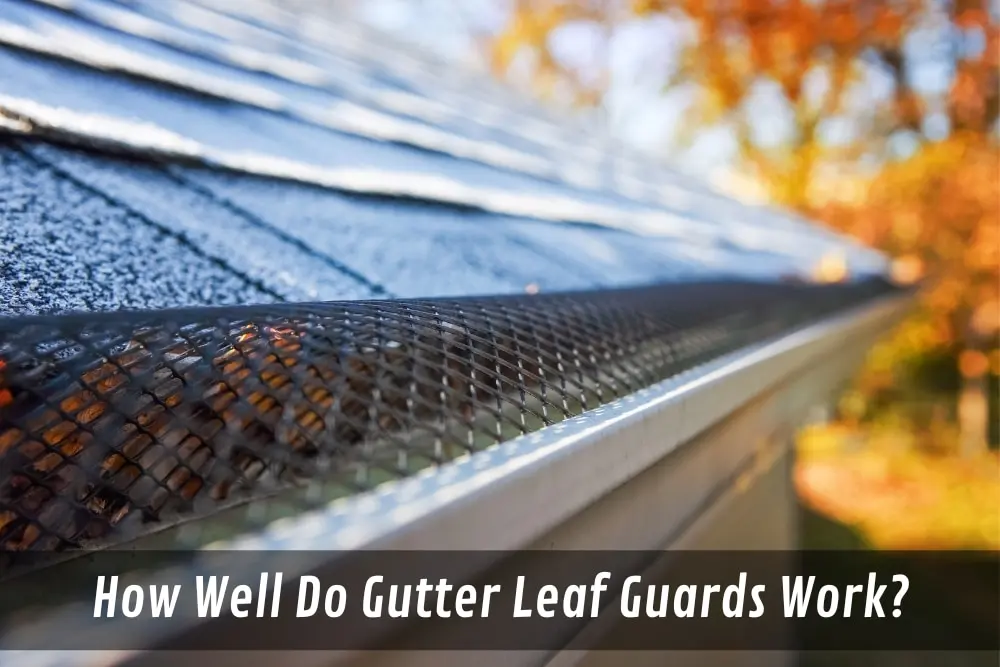
A gutter leaf guard, also known as a rain gutter protection device, is a physical barrier that sits over or inside a standard rain gutter to filter out leaves, twigs, and other debris while allowing water to pass freely into the downspout. Most modern designs employ a fine mesh, surface tension technology, or a reverse‑curve shape that channels water away from the blockage zone. The result is a self‑cleaning gutter that stays clear even during the heaviest downpours.
Key Types of Leaf Guard Systems
- Surface‑Mount Mesh Screens: Simple metal or plastic screens that snap onto the gutter’s edge.
- Reverse‑Curve (Bottle‑Guard) Designs: Curved inserts that force water upward, letting debris fall to the ground.
- Micro‑Mesh Inserts: Fine‑woven fabric that blocks even the smallest particles while maintaining high flow rates.
- Foam Inserts: Spongy polyurethane that fits inside the gutter, trapping debris within its pores.
Why Gutter Leaf Guards Matter for Modern Homes

According to the National Association of Home Builders (NAHB) 2026 report, homes equipped with gutter protection experience 35 % fewer water‑damage claims and a 22 % reduction in exterior maintenance costs over a five‑year period. The protection offered by leaf guards is especially crucial for properties with extensive landscaping or dense tree coverage, where falling foliage can quickly overwhelm conventional gutters.
Beyond the obvious functional benefits, a clean gutter system contributes to the overall aesthetics of your home’s exterior. When paired with quality siding—whether it’s durable James Hardie fiber‑cement panels or low‑maintenance vinyl siding—the whole envelope works together to safeguard against moisture intrusion. For a deeper dive into why siding choices matter, see Why Siding Matters: Core Benefits for Modern Homes.
Economic and Environmental Impact
Investing in a gutter leaf guard can yield a compelling return on investment (ROI). A 2025 study by the Home Improvement Research Institute (HIRI) found that homeowners who installed leaf guards saw an average ROI of 112 % after three years, thanks to reduced labor costs and lower insurance premiums. Environmentally, keeping gutters clear reduces the need for chemical cleaners and frequent replacements, aligning with sustainable home‑ownership practices.
Step‑by‑Step Guide to Installing a Gutter Leaf Guard
While many homeowners hire professionals, a DIY installation is feasible with the right tools and precautions. Follow these actionable steps to ensure a flawless fit:
- Assess Your Existing Gutter System: Verify that gutters are properly sloped (approximately ¼ inch per 10 feet) and that downspouts are clear. Any existing leaks should be repaired before adding a guard.
- Choose the Appropriate Guard Type: Consider roof pitch, climate, and tree density. Micro‑mesh systems are ideal for areas with fine ash or pine needles, while reverse‑curve guards excel in heavy‑rain zones.
- Gather Materials: You’ll need the guard kit, a sturdy ladder, gloves, safety goggles, a drill with appropriate bits, and a tape measure.
- Measure and Cut: Measure the length of each gutter run and cut the guard material to fit, allowing a 1‑inch overlap at each joint for seamless coverage.
- Attach the Guard: Follow the manufacturer’s instructions—most mesh screens snap onto pre‑drilled brackets, while reverse‑curve inserts slide into a slot that seals with a rubber gasket.
- Secure Downspout Openings: Ensure the guard’s design does not obstruct the downspout inlet. If needed, install a downspout extension or splash block to prevent overflow.
- Test the System: Use a garden hose to simulate heavy rain, watching for any water backup. Adjust as needed to maintain optimal flow.
- Perform a Final Inspection: Check for gaps, loose fasteners, or sagging sections. A well‑installed guard should sit flush against the gutter without wobbling.
For those unfamiliar with gutter dynamics, a quick read on the basics can be found on Wikipedia’s gutter page.
Common Mistakes to Avoid
Even with a solid plan, missteps can compromise performance:
- Skipping Gutter Repairs: Installing a guard over a cracked or sagging gutter merely hides the problem and can lead to water overflow.
- Choosing the Wrong Guard Size: An undersized mesh will allow debris through, while an oversized one may impede water flow.
- Improper Downspout Alignment: Failing to align the guard with the downspout inlet can cause pooling and potential roof leaks.
- Neglecting Seasonal Checks: Though guards reduce maintenance, an annual visual inspection ensures no unexpected blockages develop.
Real‑World Case Study: From Clogged Gutters to Seamless Protection
Emily Rogers, a homeowner in Portland, Oregon, faced recurring basement flooding due to clogged gutters exacerbated by towering Douglas firs. After a professional assessment, she opted for a micro‑mesh leaf guard system paired with a new fiber‑cement siding upgrade. Within two months, her basement remained dry, and her insurance premium dropped by 8 %.
Emily’s experience mirrors the findings of a 2026 case‑study compiled by the University of Washington’s Department of Civil Engineering, which reported that homes with combined siding upgrades and gutter protection reduced water‑intrusion incidents by 41 % compared to homes without such measures.
FAQ – Quick Answers to Common Queries
Do gutter leaf guards completely eliminate the need for cleaning?
While they dramatically reduce debris buildup, a light rinse once or twice a year is advisable to remove fine particles that may accumulate on the guard surface.
Can leaf guards be installed on any type of gutter?
Most modern guards are compatible with K‑style and half‑round gutters. However, older aluminum or vinyl sections may require reinforcement or replacement for optimal fit.
How long do gutter leaf guards typically last?
High‑quality metal or UV‑stabilized polymer guards can last 15–20 years with minimal degradation, according to durability testing by the American Society of Home Inspectors (ASHI) in 2025.
Will a leaf guard affect the flow rate of rainwater?
Well‑designed guards maintain flow rates within 95 % of an unprotected gutter, ensuring efficient drainage even during a 2‑inch/hour rain event—a standard used by the National Weather Service for design criteria.
Choosing the Right Product for Your Home
When evaluating options, consider the following criteria:
- Material Quality: Aluminum and stainless steel resist corrosion, while UV‑treated plastics endure sun exposure.
- Warranty Coverage: Look for products offering a minimum 10‑year limited warranty.
- Installation Method: Snap‑on systems are DIY‑friendly; sealed‑edge designs may require professional fitting.
- Compatibility with Existing Siding: For homes featuring vinyl or Hardie siding, select a guard that integrates seamlessly without interfering with the siding’s expansion joints. Explore our comprehensive guide on James Hardie Siding 2026: Complete Guide to Benefits, Installation & Long‑Term Value for more insight.
Maintenance Tips to Extend the Life of Your Guard
Even the best leaf guard benefits from occasional upkeep. Here are five quick maintenance practices:
- Inspect after major storms for any dislodged sections.
- Use a low‑pressure garden hose to clear surface debris.
- Check fasteners quarterly and tighten any loose screws.
- Apply a protective silicone sealant on metal brackets every 3‑4 years.
- Schedule a professional inspection every 5 years to assess overall gutter health.
Future Trends: Smart Gutter Protection
By 2026, smart home integration is making its way into gutter technology. Sensors capable of detecting water level, flow rate, and blockage severity can now send alerts to your smartphone, prompting pre‑emptive action before damage occurs. Companies like RainGuard Innovations have launched Wi‑Fi‑enabled leaf guards that pair with home automation hubs, offering real‑time monitoring and automated cleaning cycles using built‑in water jets.
These advancements promise to further reduce manual labor and improve home safety, reinforcing the gutter leaf guard’s role as a cornerstone of modern exterior maintenance.
Conclusion: A Small Investment for Big Peace of Mind
In the broader context of home protection, gutter leaf guards serve as a low‑cost, high‑impact upgrade that aligns with the same principles driving siding selection and overall envelope durability. By preventing clogs, safeguarding against water damage, and simplifying upkeep, they help preserve your home’s value and comfort for years to come. Whether you choose a DIY mesh screen or a premium smart system, the key is to match the product to your climate, roof design, and aesthetic goals—ensuring that your gutters work as hard as you do.
Ready to enhance your home’s exterior resilience? Start by assessing your current gutter condition, select the right leaf guard type, and consider complementary upgrades like high‑quality siding for a fully protected envelope.