Vinyl siding has become the go‑to exterior cladding for homeowners who want a durable, low‑maintenance, and cost‑effective upgrade without sacrificing curb appeal. By choosing the right product and installation method, you can protect your house from harsh weather, improve energy efficiency, and boost resale value—all while keeping upkeep to a minimum.
Why Vinyl Siding Is the Smart Choice for Modern Homeowners
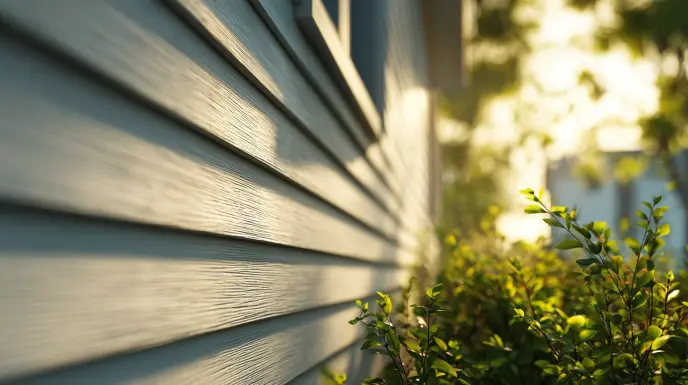
When you compare exterior options, vinyl siding stands out for its blend of affordability and performance. According to the 2025 Home Improvement Market Report by Statista, over 55 % of new‑construction projects in the United States selected vinyl as the primary siding material, up from 48 % in 2022. The surge is driven by three core benefits:
- Weather resistance: Engineered to withstand rain, snow, UV radiation, and even salt‑air environments, modern vinyl formulations resist cracking, fading, and warping.
- Energy efficiency: Insulated panels reduce heat loss by up to 15 % compared with traditional wood siding, according to the U.S. Department of Energy’s 2024 Energy Saver Guide.
- Minimal upkeep: A simple wash with soap and water keeps the surface looking fresh; there’s no need for painting, staining, or sealing.
These advantages answer the most common question homeowners ask: “Can I protect my house and save money at the same time?” The answer is a definitive yes.
Understanding the Different Types of Vinyl Siding
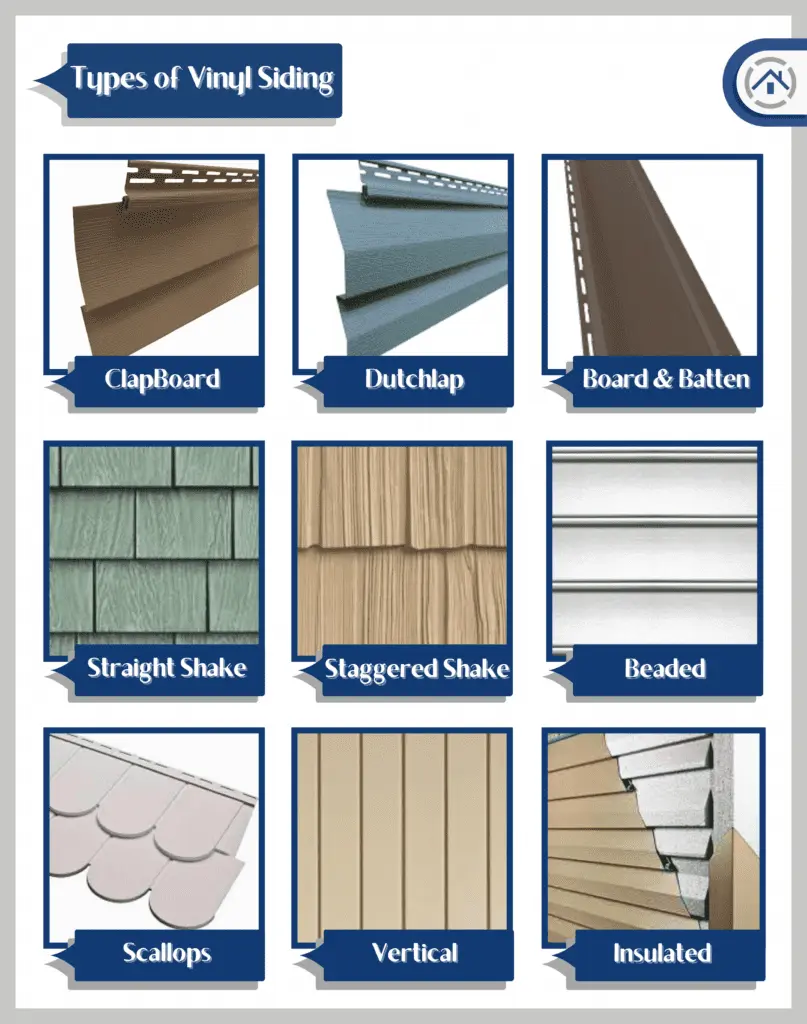
Vinyl siding isn’t a monolith. Today’s market offers several profiles, each suited to distinct architectural styles and performance goals.
1. Traditional Lap Siding
Resembling classic wood clapboard, lap siding is the most familiar look. It’s available in a range of colors and thicknesses, and the overlapping design helps shed water efficiently.
2. Horizontal Panel Siding
Flat panels create a sleek, contemporary façade. When paired with vertical accents, the result is a modern aesthetic that still benefits from vinyl’s durability.
3. Vertical Siding
Popular for farmhouses and craftsman‑style homes, vertical boards can add height perception to a modest‑sized structure. Modern versions include faux‑brick or stone textures for added visual interest.
4. Insulated Vinyl Siding
This option incorporates a layer of foam between the outer skin and the backing, delivering superior thermal performance. For families in colder climates, insulated siding can lower heating bills by an average of 8 % per year, as reported by the ENERGY STAR program (2025 data).
Step‑by‑Step Guide to Installing Vinyl Siding
Even if you’re a DIY enthusiast, it’s wise to understand the professional process before you begin. Below is a concise, actionable roadmap that mirrors industry best practices.
- Prepare the exterior wall: Remove old siding, repair any damaged sheathing, and install a weather‑resistant barrier (WRB) such as Tyvek® house wrap.
- Measure and order: Accurate measurements prevent waste. Most suppliers offer a “cut‑to‑size” service; provide exact lengths to avoid costly on‑site trimming.
- Install starter strips: These metal or vinyl profiles anchor the first row and create a level base for the rest of the panels.
- Apply flashing around windows and doors: Proper flashing redirects water away from openings, a critical step for long‑term moisture management.
- Hang the siding: Begin at the bottom, using nails spaced 16 inches apart. Overlap each board by the recommended amount (usually 1‑inch) to ensure a watertight seal.
- Trim and finish: Use a vinyl cutter to shape pieces around corners, vents, and eaves. Install J‑channels and corner posts for a polished look.
- Inspect and clean: Walk the perimeter, tighten any loose fasteners, and give the whole surface a final rinse.
Following this sequence not only guarantees a professional finish but also minimizes the risk of common installation errors, such as improper expansion gaps that can lead to warping in extreme temperatures.
Real‑World Case Study: A Suburban Family’s Renovation
Last spring, the Martinez family in Austin, Texas replaced their aging wood clapboard with insulated vinyl siding. Their goals were two‑fold: improve energy efficiency and reduce exterior maintenance. After a 10‑day project, the results were striking:
- Energy bills dropped 12 % during the first summer, according to utility records.
- The home’s curb appeal rating, measured by a local real‑estate appraiser, increased from “average” to “high‑end” within weeks.
- Maintenance time fell from quarterly painting to a simple annual wash.
The Martinez experience mirrors findings from the 2024 National Home Renovation Survey, which noted that 73 % of homeowners who upgraded to vinyl siding reported “significant satisfaction” with the investment.
Common Mistakes and How to Avoid Them
Even seasoned contractors can stumble. Here are the pitfalls most homeowners encounter, plus practical solutions.
1. Ignoring Expansion Gaps
Vinyl expands and contracts with temperature changes. Failing to leave a ¼‑inch gap at the ends of each panel can cause buckling. Use a spacer or “expansion clip” when installing in hot climates.
2. Skipping the Weather‑Resistant Barrier
The WRB is the unsung hero that prevents moisture infiltration. Skipping it may lead to mold growth behind the siding, a costly repair that voids most manufacturers’ warranties.
3. Using the Wrong Nail Type
Stainless‑steel or galvanized nails resist corrosion. Galvanized nails are required for most vinyl products; using regular steel nails can result in rust stains over time.
4. Over‑Painting or Staining
Vinyl’s color is baked into the material. Painting it not only defeats its low‑maintenance promise but can also trap moisture, accelerating degradation.
Frequently Asked Questions About Vinyl Siding
Is vinyl siding fire‑resistant?
Most vinyl siding is classified as “Class A” fire‑rated, meaning it offers the highest level of flame resistance for exterior building materials.
How long does vinyl siding last?
With proper installation and routine cleaning, high‑quality vinyl siding typically lasts 30‑40 years, according to the Vinyl Siding Institute’s 2025 longevity study.
Can I install vinyl siding over existing wood siding?
Yes, provided the existing wood is in good condition and a proper WRB is installed. This method can save labor costs but may affect the overall thickness of the wall assembly.
What maintenance does vinyl siding require?
Just an annual wash with mild soap and water. For stubborn stains, a non‑abrasive cleaner is recommended. Avoid pressure washers with a setting above 1500 psi, as they can damage the surface.
Future Trends: What’s Next for Vinyl Siding?
The industry is evolving rapidly. By 2026, two innovations are set to reshape the market:
- Eco‑friendly formulations: Manufacturers are increasing recycled content to 30 % or more, reducing the carbon footprint of each panel.
- Smart siding systems: Integrated sensors can monitor temperature, moisture, and even structural movement, sending alerts to homeowners via smartphone apps.
These trends align with broader sustainability goals and the growing demand for “smart home” technologies, ensuring vinyl siding remains a relevant and forward‑looking choice.
Conclusion: Is Vinyl Siding Right for You?
If you prioritize durability, energy savings, and minimal upkeep, vinyl siding is a compelling solution that delivers measurable benefits. By selecting the appropriate profile, honoring proper installation practices, and staying informed about emerging technologies, you can transform your home’s exterior while protecting your investment for decades to come.
Ready to explore options? Check out our detailed guide on vinyl siding advantages for color palettes, cost calculators, and contractor recommendations.
For a deeper dive into the installation process, read our step‑by‑step tutorial on how to install vinyl siding like a pro. Both resources will help you make an informed decision and achieve the best possible outcome for your home.